Through my work in food systems and innovation, I have learned that preparing young people for the future of food requires more than education, it requires the skills and mindset to solve real-world challenges. According to the FAO's 2025 State of Food Security and Nutrition in the World (SOFI) report, around 40% of India's population still could not afford a healthy diet in 2024, highlighting the continued need for innovations that make nutritious foods more affordable, accessible, and desirable. Building food systems that make nutritious foods more available, affordable, and desirable will require a new generation of innovators equipped to tackle these challenges.
July 15, 2026
Leadership, Innovation, and Youth in Shaping the Future of Global Food Systems
The future of global food systems will depend as much on leadership as it does on innovation. Over the years, I have worked across diverse sectors, and one thing that has become increasingly clear to me, is that as we move toward a population of nearly 9.7 billion by 20502; the challenge before us is immense. We must ensure that food systems can provide nutritious, affordable, and sustainable food for everyone while navigating the realities of climate change, resource constraints, and evolving consumer expectations.
In this journey, India has a unique and important role to play. We are the world’s most populous nation and a major agricultural producer, and so the solutions we develop will impact not just 1.4 billion people3 but also global efforts to build more resilient and sustainable food systems.
For me, the real answer lies in people - especially young innovators. Entrepreneurs, scientists, and policymakers of today will shape the future of food, and their ability to turn innovation into impact will be critical to solving global food and nutrition challenges.
Working across entrepreneurship, innovation, and food systems, I’ve seen young minds drive meaningful change. With the right knowledge, mentorship, and opportunity, fresh perspectives consistently translate into scalable, sustainable solutions.
I was lucky to be part of the jury panel for the recently concluded ‘Eat Right Youth Hackathon - Uttarakhand 2026’ (India) organised by Nutrition Connect at GAIN and FDA (Uttarakhand), where young participants from across the state showcased remarkable passion, creativity, and problem-solving - underscoring that youth are not just stakeholders in the future of food, but its architects. Investing in their leadership today is key to a healthier, more sustainable, and food-secure future, as young people will ultimately lead the transformation of food systems.
Education and Skill-Building: Preparing Youth for Food System Transformation
Opportunities in Sustainable and Future Foods
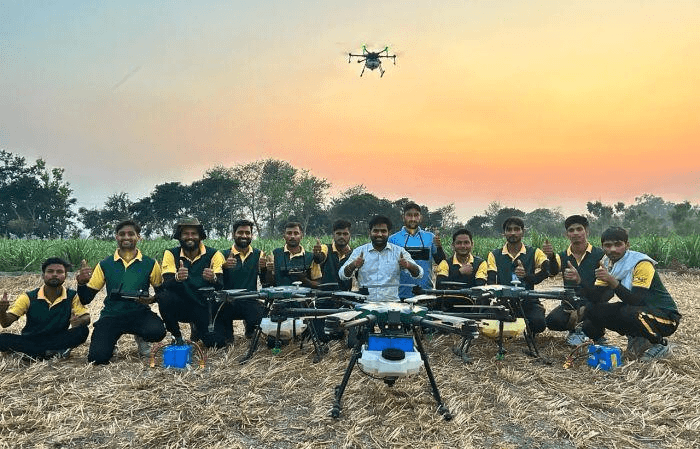
The food systems sector continues to inspire me because of its vast opportunities for innovation. From sustainable packaging and waste-to-value technologies to data-driven supply chains, innovation is making food systems more efficient and sustainable. What makes this field especially exciting is its blend of business and impact, enabling entrepreneurs to build ventures while addressing challenges such as food waste, climate change, and food security.
Entrepreneurship and the Need for a Mindset Shift
One shift I believe is essential for the future is moving from a job-seeking mindset to a job-creating mindset. India has built a strong startup ecosystem with over 223,000 startups, ranking third globally4. However, significant potential remains to expand entrepreneurship across sectors and regions, which requires a stronger culture of innovation and risk-taking.
While employment remains important, entrepreneurship is a powerful driver of economic growth, innovation, and social impact. It is about identifying real-world problems and creating practical solutions that make systems more efficient, accessible, and sustainable.
The global rise of entrepreneurship shows that societies investing in creativity, research, and innovation are best positioned to lead progress. History reminds us that transformative change often begins with simple ideas, and countries that nurture innovation strengthen their global competitiveness. Engaging with young innovators reinforces this optimism - they challenge conventions, turn curiosity into action, and create solutions with lasting impact.
Why Local Knowledge Matters
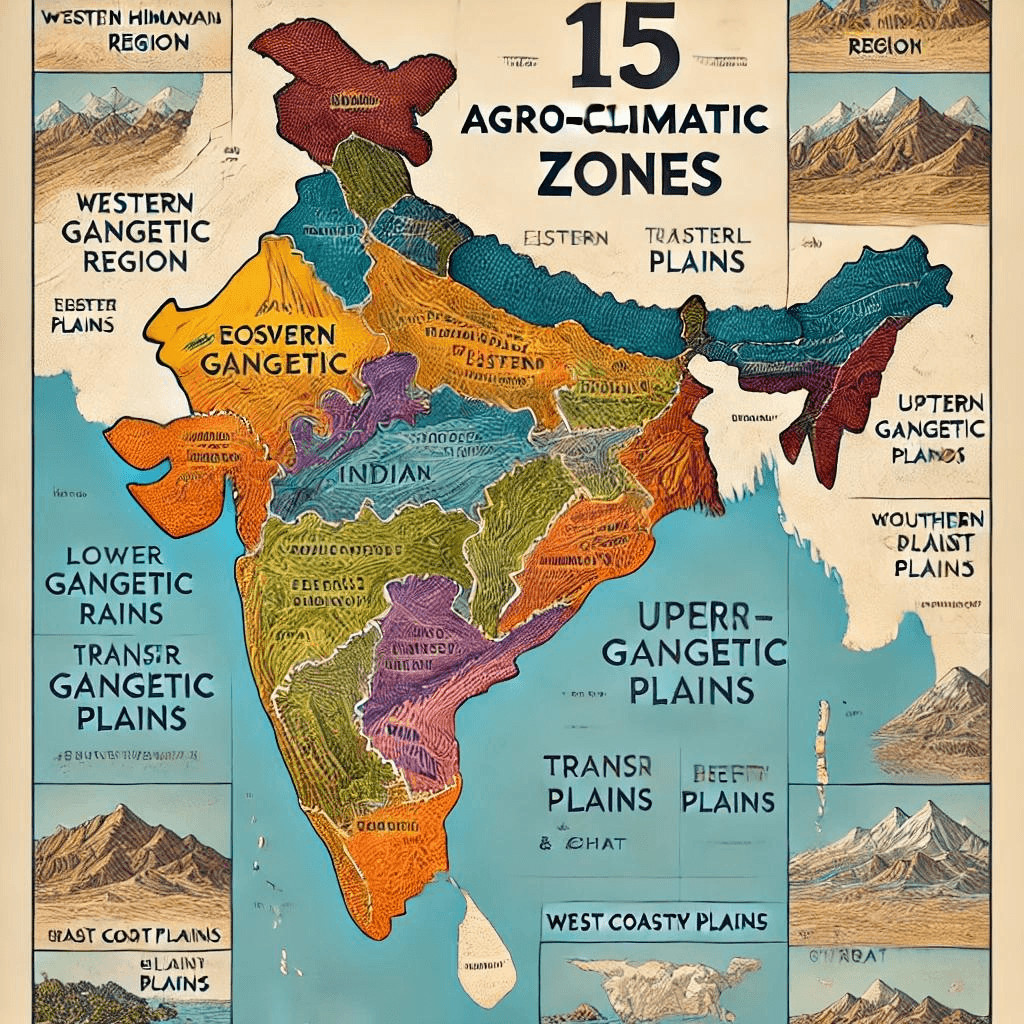
I often say, nature is smarter than us. Nature provides signals about what should grow and be consumed in a particular region. If sea buckthorn5 naturally grows in Uttarakhand and Himachal Pradesh, nature is telling us that these environments support that crop. Likewise, mustard oil consumption is traditionally more common in northern regions, while groundnut oil is more prevalent in western regions such as Maharashtra and Gujarat.These food habits evolved over generations and are responses to local climate and conditions. India possesses nearly 15 major agro-climatic zones6 based on climate, soil type, rainfall, topography, water resources and cropping patterns, creating tremendous diversity and opportunities.
Millets are an excellent example. Not every millet grows in every region. The International Year of Millets highlighted that certain millets require significantly less water compared with conventional crops and offer strong climate resilience.I believe some of the best innovation opportunities come from local strengths. Whether it is sea buckthorn beverages, millet-based snacks, indigenous health foods, or regional superfoods, entrepreneurs can turn local knowledge into products with wider impact. To me, the future belongs to those who can transform local resources and traditions into scalable opportunities.The message is simple: Eat local. Think local. Innovate local.
Eat Right Youth Hackathon - Uttarakhand 2026: Creating Future Innovators
India’s demographic profile further strengthens the significance of such platforms, with nearly 65% of the population under the age of 357. This represents a powerful opportunity to channel youthful energy into innovation, enterprise, and systems thinking.
In this context initiatives like the Eat Right Youth Hackathon - Uttarakhand 2026 are critical, because they empower young people to turn ideas into action. By promoting innovation and collaboration, the programme inspires youth to develop practical solutions for real-world food system challenges.
To me, this reflected something deeper than innovation- it reflected an emerging understanding of how ideas move from concept to market. Even for those who may not eventually become entrepreneurs, experiences like these help develop analytical thinking, problem-solving skills, and a stronger appreciation of how food systems and value chains operate. These are capabilities that will be valuable regardless of the career path they choose.
What encouraged me most was seeing participants view everyday products through a new lens - asking how value is created, distributed, and priced across the food value chain. To me, this is a powerful outcome. It helps young people become not just informed consumers, but future innovators who can better understand and improve complex food systems.
Youth-Led Innovation and the “Eat Smart” Movement
Youth engagement in nutrition is evolving from passive awareness to active creation. I was inspired especially by a particular case I came across. A 15-year-old student, who created educational content on healthy eating, explaining how carotenoids in carrots are better absorbed with fats, demonstrating a strong understanding of nutrition science and its connection to traditional food practices. This was contextualized with traditional dietary practices in India, where foods such as gajar ka halwa8 or koshimbir9 are often prepared with fats, unintentionally supporting improved nutrient absorption. This is particularly relevant in a global context where nearly 80%10 adolescents do not meet recommended fruit and vegetable intake levels, underscoring the need for stronger nutrition education.
What stood out was how young learners linked traditional food practices with modern nutrition science - from turmeric with milk to the benefits of whole fruits over juices.
This reflects a positive shift: they are moving beyond learning nutrition to engaging with it through curiosity and scientific thinking, while also sharing knowledge with their communities. At a time when healthy eating remains a global challenge, this growing awareness offers real hope for the future.
Food Pathshaala: Building a Knowledge-Driven Food Innovation Ecosystem
One belief that has guided my work is that innovation thrives when people have access to the right knowledge, skills, and opportunities. This philosophy is reflected in FoodTech Pathshaala, a learning platform designed to help build the next generation of food entrepreneurs, innovators, and industry professionals.
The goal is to bridge theory and practice through industry-led, hands-on learning. Food Pathshaala equips learners with technical and entrepreneurial skills while fostering collaboration between experts and innovators to prepare the next generation of food professionals.
Looking Ahead
The future of food systems will be shaped by innovation, education, entrepreneurship, and youth leadership. While challenges such as food security, nutrition, sustainability, and climate resilience are significant, they also present immense opportunities. To all the winners of the Eat Right Youth Hackathon, congratulations! May this recognition be just the beginning of your journey to create innovative solutions that transform food systems, improve nutrition, and inspire lasting change.
By combining knowledge with action and innovation with purpose, the next generation will not only participate in the future of food - they will help define it.
- About Foodtech Pathshala | Foodtech Pathshala
World Population prospects report
India’s population ref
- Min of Commerce report on Startup India
- Sea buckthorn is a nutrient-rich berry-producing shrub known for its high levels of vitamin C, antioxidants, and omega fatty acids, widely used in nutrition, skincare, and functional foods.
- Indian Council for Agricultural Research report
- World Population prospects report
- Gajar ka halwa is a traditional Indian carrot dessert made with grated carrots, milk, and ghee (clarified butter), which can enhance the absorption of fat-soluble nutrients such as carotenoids
- Koshimbir is a traditional Indian salad, commonly made with raw vegetables, fruits, or grated carrots and often dressed with ingredients such as coconut, yogurt, or oil, which can help improve the absorption of certain nutrients.
- report