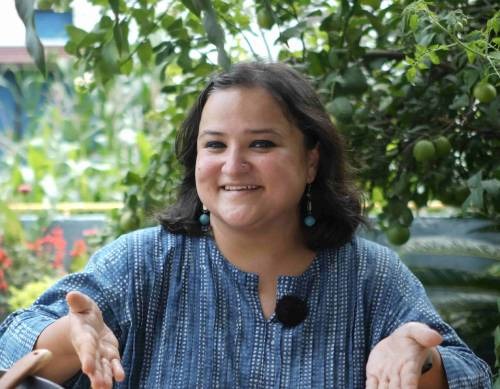
Yojana Khanduri is a chef and culinary curator dedicated to preserving and celebrating the rich food heritage of Uttarakhand. Through traditional recipes, indigenous ingredients, regional cooking techniques, culinary pop-ups, and food storytelling, she brings the state's diverse cuisine to contemporary audiences while promoting healthier, locally rooted diets. She is also the co-founder of Tantuk, another venture that supports Uttarakhand’s artisan and weaving communities, creating meaningful connections between craft, culture, and cuisine while championing the state's heritage on a broader platform.
June 12, 2026
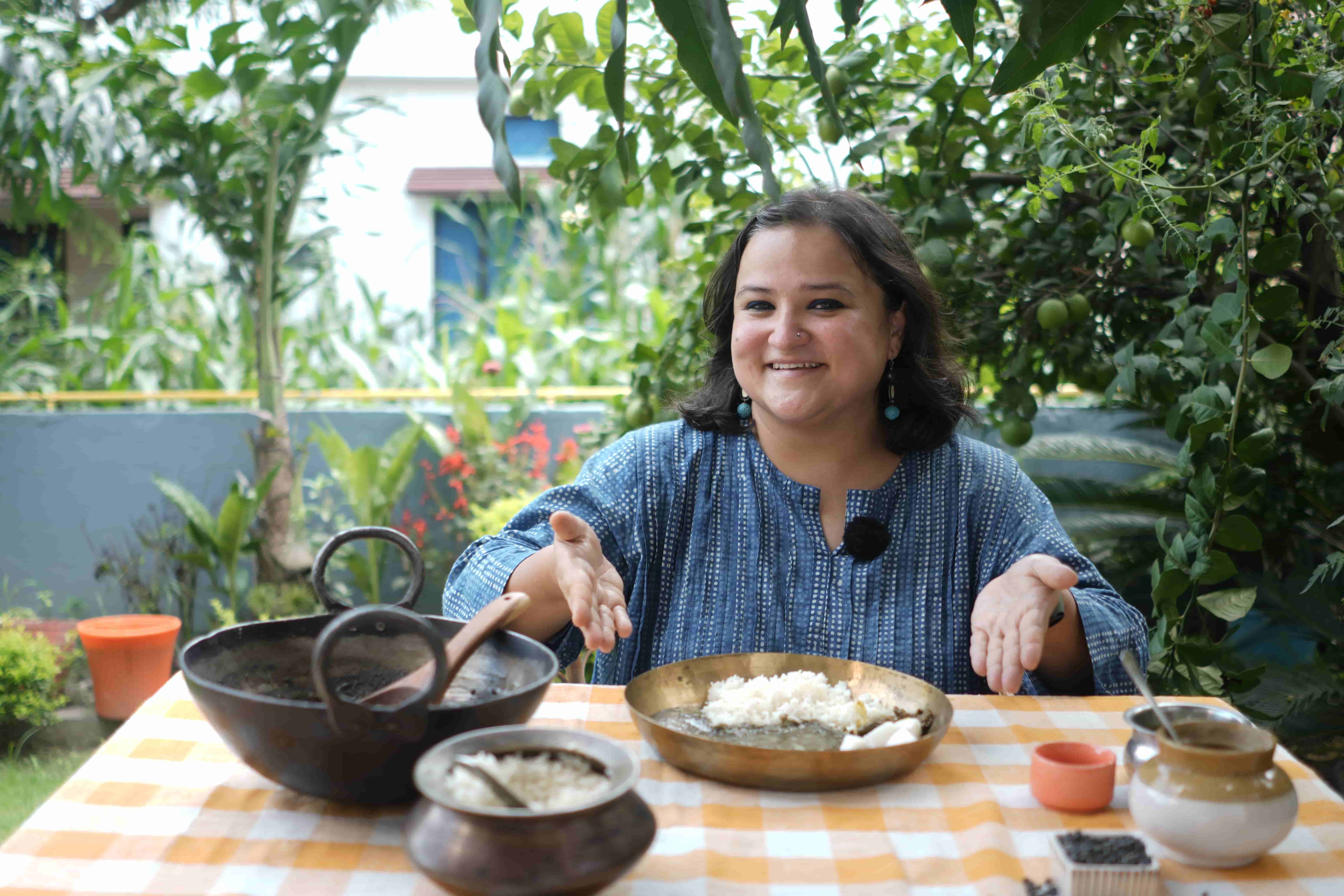
Food, for me, has always been much more than just recipes and taste. Food as I see it, is memory, community, culture, and survival of the knowledge and wisdom of our elders. In the state of Uttarakhand (located in the Northern Himalayan region of India), better known to many also as ‘Devbhoomi’ or the “Land of the Gods”, the more I work with regional cuisines and traditional knowledge systems, the more I realize that food carries within it stories of its people, their cultures and the places from which they originated. It tells us how communities adapted, sustained, and built a co-existing relationship with their environment, over generations.
Today, as conversations around better health, wellness, sustainability, and food systems grow, I believe we are standing at an important juncture where we need to look back in order to move forward.
Himalayan Food Systems: Built for Resilience
Traditional Himalayan food systems evolved under conditions that demanded resilience. For generations, mountain communities lived in landscapes where every season brought forth a new challenge - harsh winters, difficult terrain, limited resources, and short periods of cultivation and harvest. They learnt which crops grow best in different and challenging seasons, how food could be stored for longer periods, and which ingredients could provide nourishment during times of scarcity. Much of this knowledge developed out of necessity and was passed down from one generation to the next.
Even today, many remote Himalayan regions continue to face geographical and climatic challenges. Food practices in these regions reflect generations of adaptation, resilience and a deep connection of the people with their land and its nourishing produce. In Uttarakhand for instance, foods made from staples like mandua roti, jhangora kheer, gahat dal, bhatt ki churkani, and kafuli1 exemplify how local communities developed nourishing diets for their families and communities, using hardy crops and foraged greens, that were better suited to the mountain terrain.
The Nutrition Challenge: Trends versus Traditions
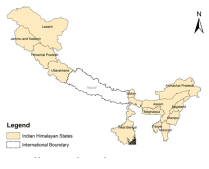
What fascinates me about Himalayan cuisine is its diversity. People often speak of it as a single food category, but Himalayan food spans across a vast range of regions, cultures, and ecosystems—from Uttarakhand to the Himalayan2 landscapes of Himachal Pradesh, Nepal, Bhutan, and Tibet.
Even within Uttarakhand, recipes change as we travel just from one village to another. A dish like kafuli3 or chainsoo4 may be prepared differently depending on local ingredients available, family traditions, and community practices.
This diversity deserves more recognition. Uttarakhand, and indeed India as a whole, is home to hundreds of unique food traditions waiting to be explored. From the trans-Himalayan food traditions of Uttarakhand’s Johar and Byans valleys to the bold flavors of Chettinad, Malvani, and Kodava cuisine in southern India, and the diverse tribal food cultures of central and northeastern regions, India’s culinary landscape is a rich tapestry of geography, heritage, and tradition. Each cuisine tells a unique story, reflecting the local environment, cultural identity, and centuries of culinary wisdom.
Women: The Custodians of Wisdom on Food and Nutrition
Women for centuries have been custodians of food traditions and knowledge on how to preserve the nutritive value of food for longer. Whether through preserving and processing foods to extend their availability beyond harvest seasons, ensuring nutritious foods remain on our plates throughout the year and contribute to better health and wellness. Much of our knowledge on culinary traditions and nutrition in fact has been informally documented. It has travelled from kitchens to our dining tables, from mothers to daughters, from grandmothers to future generations.
Growing up, I never viewed cooking as a potential career in fact. Like many young girls, I associated it with home, wellness and better health for my family. I used to watch my mother and grandmother cook in our kitchen, and learned not through instructions, but through observation, imagining that one day I would do the same for my husband and children too. Even while studying design, my love for cooking remained quietly present in the background. At the time, pursuing a career as a chef was not a conventional choice for women; the profession was often viewed as physically demanding, highly competitive, and difficult to navigate as a woman.
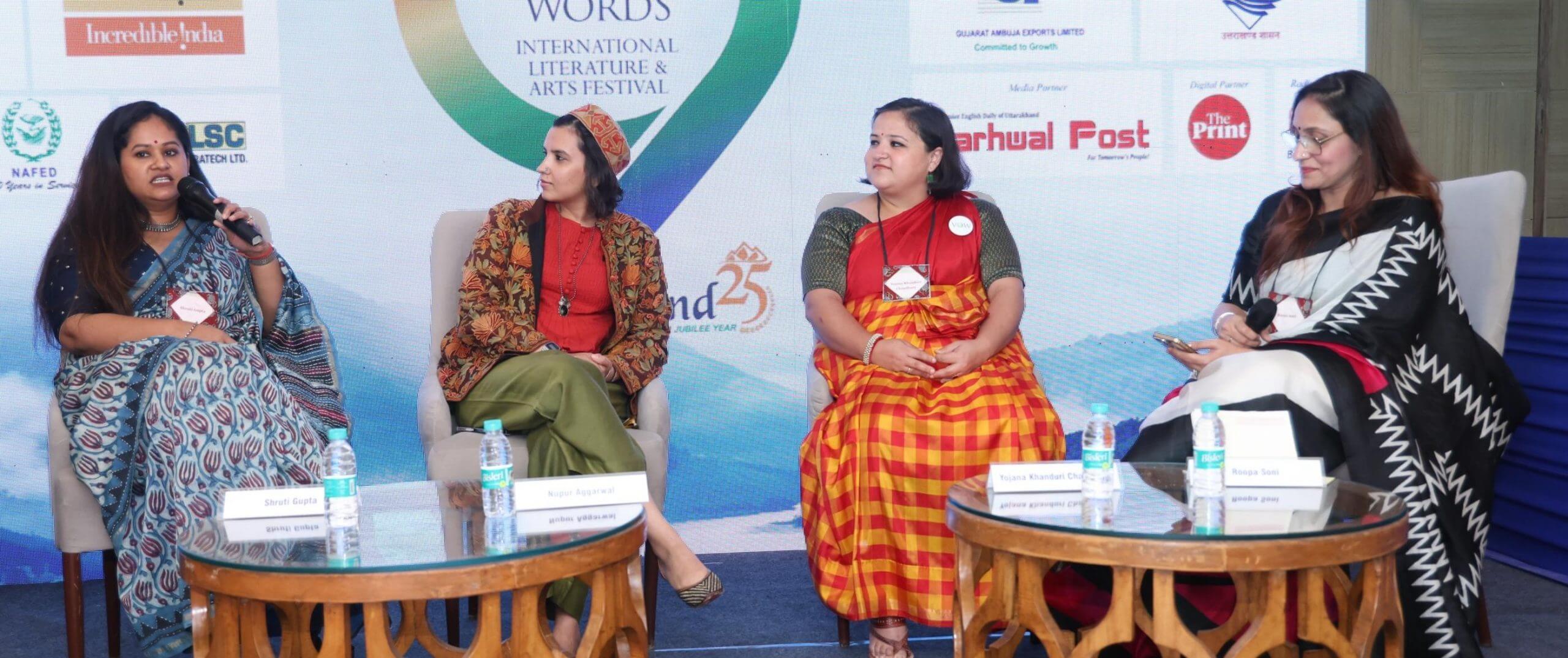
At the discussion "From Farm to Table: The Culture & Business of Food” ; at Valley of Words Literature & Arts Festival, Dehradun, Uttarakhand, India Oct 2025 (Yojana Khanduri 2nd from right)
Now, having immersed myself in the culinary world as a profession, I realise more than ever that women are at the heart of preserving food culture and its deep connection to family, community, and nutrition. They carry forward generations of knowledge, recipes, and traditions, ensuring that culinary heritage continues to nourish both people and communities. Food preparation requires a deep, intuitive understanding of both flavour and nutrition, knowing precisely when fermentation has reached its peak, when a dish is at its most nourishing, and how to balance taste, texture, and nutritional quality in harmony. These are not easy skills and techniques to teach and even harder to document. These are skills developed through years of observation and practice. Indeed these are the building blocks of all taste, flavours and most importantly, of healthier diets. To me, that is the beauty of our culinary wisdom.
Women have played critical roles at the forefront of society, food systems, economies and all facets of life. Yet food remains one of the most powerful ways through which women have preserved culture, identity, taste, nutrition and community well-being.
The Eat Right Youth Hackathon, organised by GAIN - Nutrition Connect in partnership with the Food Safety and Drug Administration (FDA), Ministry of Health, Government of Uttarakhand, and the Department of Health and Education (State Government of Uttarakhand), offers a compelling example. Remarkably, 74% of all submissions were led by young women, reflecting the strong role they continue to play as innovators and changemakers.
As a jury member of the Hackathon, I had the privilege of reviewing ideas submitted by the youth of Uttarakhand, spanning across the three pillars of the challenge, Eat Healthy, Eat Safe, and Eat Sustainable, and was deeply inspired by the creativity, insight, and determination demonstrated by the participants. Many of the solutions reflected not only entrepreneurial thinking but also a deep understanding of nutrition, local food systems, and community well-being.
When I see women entrepreneurs and changemakers emerging today, I do not see something entirely new. Rather, I see a continuation of the resilience, wisdom, leadership, and nutritional stewardship that have always been deeply rooted in the mountains of Uttarakhand, now finding new expression through innovation and enterprise.
I also draw inspiration from entrepreneurs finding new ways to celebrate local ingredients. Another example is Himalayan Haat5, founded by Divya Chowfin in Pauri Garhwal, where local fruits, herbs, and traditional knowledge are being transformed into value-added products that connect mountain communities to wider markets. Through products made from buransh, malta oranges, nettle leaves, and other indigenous ingredients, the enterprise demonstrates how regional biodiversity can support both nutrition and rural livelihoods.
Stories like these remind me that preserving tradition is not about keeping it frozen in time, but about allowing it to evolve and remain relevant for new generations.
Indigenous Foods: Nature’s Nutrition Plan
The Food and Agriculture Organization (FAO)6 recognises that indigenous food systems are among the most resilient and sustainable in the world, preserving biodiversity and traditional knowledge. Although Indigenous Peoples represent only around 6% of the global population, they safeguard a significant share of the world's remaining biodiversity, offering important lessons for healthier, more sustainable, and climate-resilient diets.
One of the most fascinating aspects of traditional food systems like Himalayan cuisine is how closely it has been connected to nature. People ate foods that were locally available and naturally in season, guided by generations of knowledge about what was both nutritious and suitable for the climate and time of year. Growing up, I often heard foods described by their tasir; their warming or cooling properties, and meals were adapted accordingly. Foods such as jaggery, dates, and sesame seeds were valued during colder months, while buttermilk, seasonal fruits, and water-rich vegetables helped the body cope with summer heat. This intuitive understanding of food, nutrition, and seasonality encouraged people to eat in harmony with their environment. Today, while modern food systems offer year-round access to almost any food, they have also distanced us from some of this wisdom.
- Himalayan Haat, By Divya Chowfin (Uttarakhand, India) - Link
- Food and Agriculture Organisation on United States (FAO) (Link)
The Nutrition Challenge: Trends versus Traditions
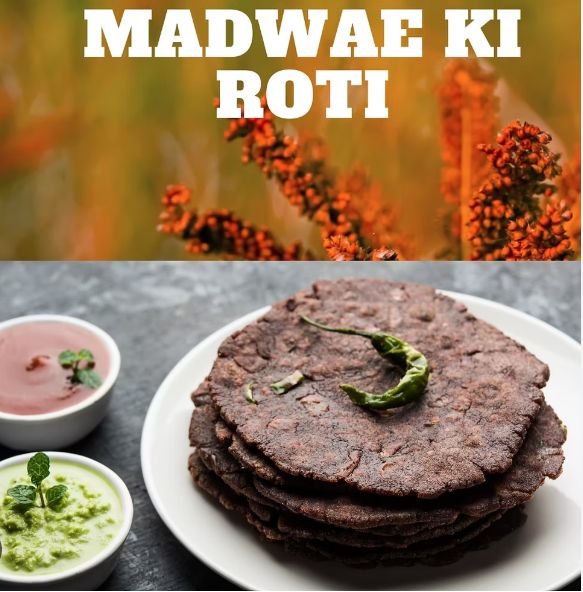
One of the biggest challenges today is that our relationship with food has changed somewhat for the worse. While our earlier generations grew up eating home-cooked meals such as Mandua (Finger Millet) Roti, Jhangora Kheer, Chainsoo, and Gahat Ka Phoonu as part of daily life, today food choices are increasingly shaped by trends, convenience, and digital influence.
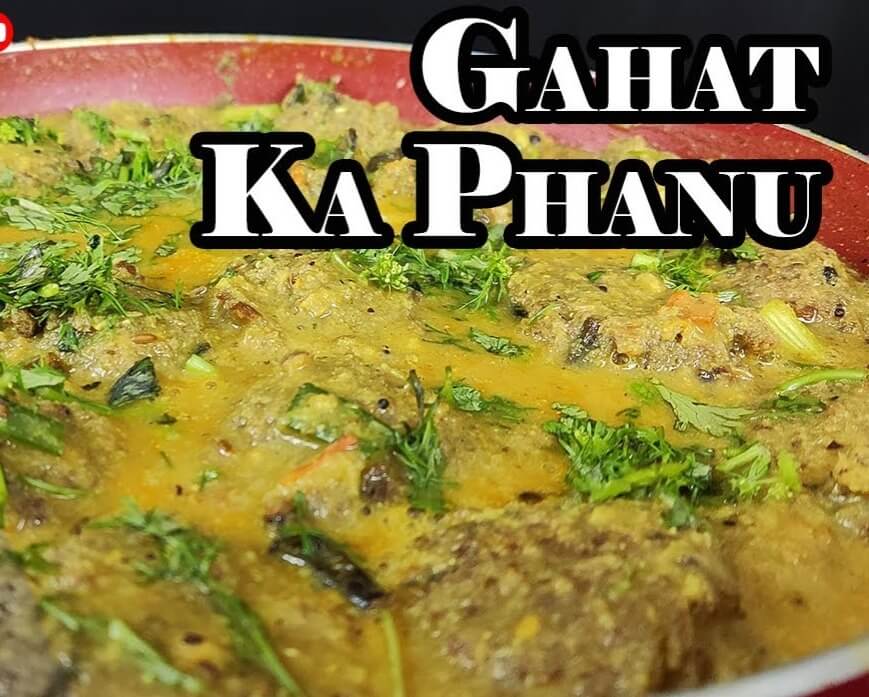
Traditional foods often require time and patience. A dish like Gahat Ka Phoonu, a traditional Pahadi delicacy from the Kumaon and Garhwal regions of Uttarakhand, cannot be made instantly; it involves soaking, grinding, and slow cooking, a process that demands time and patience but results in a highly nutritious meal. In today’s fast-paced world, however, many of us are drawn towards foods that can be prepared, ordered, or consumed within minutes.
These days, we are constantly introduced to new food trends; from bubble tea and Korean instant noodles to packaged protein snacks and café-style creations. While there is value in exploring global cuisines, I believe there is also an opportunity for young people to become more familiar with the food traditions that exist within their own regions. Traditional foods carry generations of knowledge about nutrition, seasonality, local ecosystems, and culture. The challenge is not that these traditions are disappearing overnight, but that they are becoming less visible in everyday life. By continuing to cook, share, and adapt these foods for modern contexts, we can help ensure that the knowledge, stories, and cultural identity they represent remain relevant for future generations.
Young Leaders of Change
Uttarakhand is home to a significant young population, with nearly three million people in the 15–29 age group7. They have an important role. Local foods exist around us—in our homes, in memories, and in forgotten recipes. We do not always need to invent something entirely new. Encouraging the young to experiment with and use more local ingredients can help ensure that the knowledge, practices, and values embedded within Uttarakhand's food systems thrive for generations.
Platforms like the Eat Right Youth Hackathon create spaces where this connection can happen. These initiatives are pivotal in encouraging youth to explore local ingredients and rethink how traditional foods, rich in nutrition and steeped in culture and seasonality, can be adapted for modern lifestyles. During my interactions with the young participants in the Hackathon, what struck me most was that, for many of them, it was perhaps the first time they had paused to think critically about food systems and their own role as potential changemakers within them. The experience seemed to spark a genuine curiosity—one that I hope will translate into action—to ask deeper questions about where our food comes from, the value of local and seasonal diets, the landscapes that sustain them, and the traditional knowledge that shapes their preparation.
It was encouraging to see young people rediscovering the importance of ingredients such as mandua (finger millet), jhangora (barnyard millet), gahat (horse gram), bhatt (black soybean), bhang (hemp seeds), and seasonal greens like sisunak (nettle), and exploring how these foods can contribute to building healthier plates.
Many of our local foods are naturally rich in fibre, protein, vitamins, minerals, and other nutrients that support healthier diets and help address some of the nutrition challenges we face today. At a time when diets are becoming increasingly uniform and reliant on highly processed foods, these local ingredients offer an opportunity to reconnect with diverse, nutritious, and culturally meaningful ways of eating.
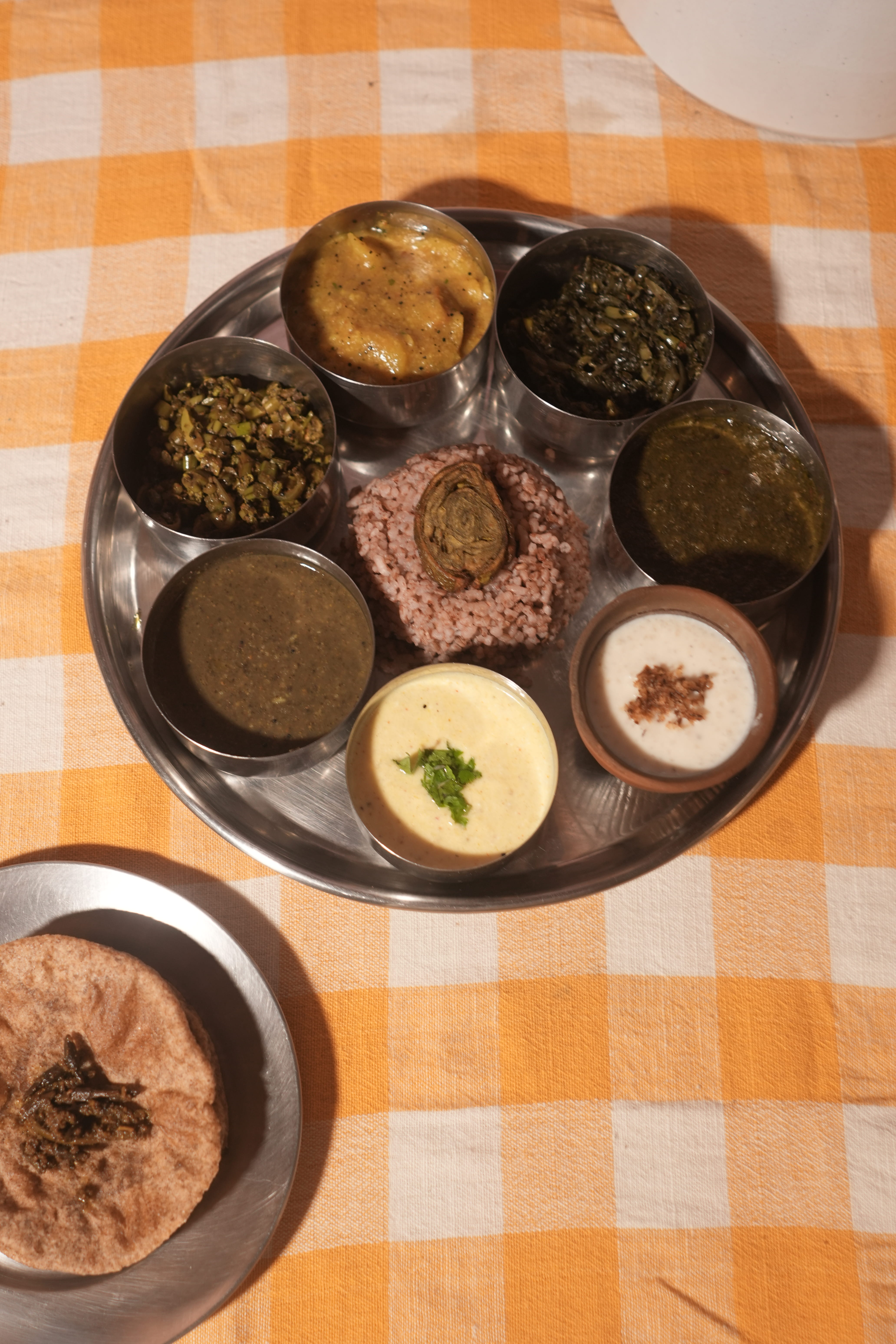
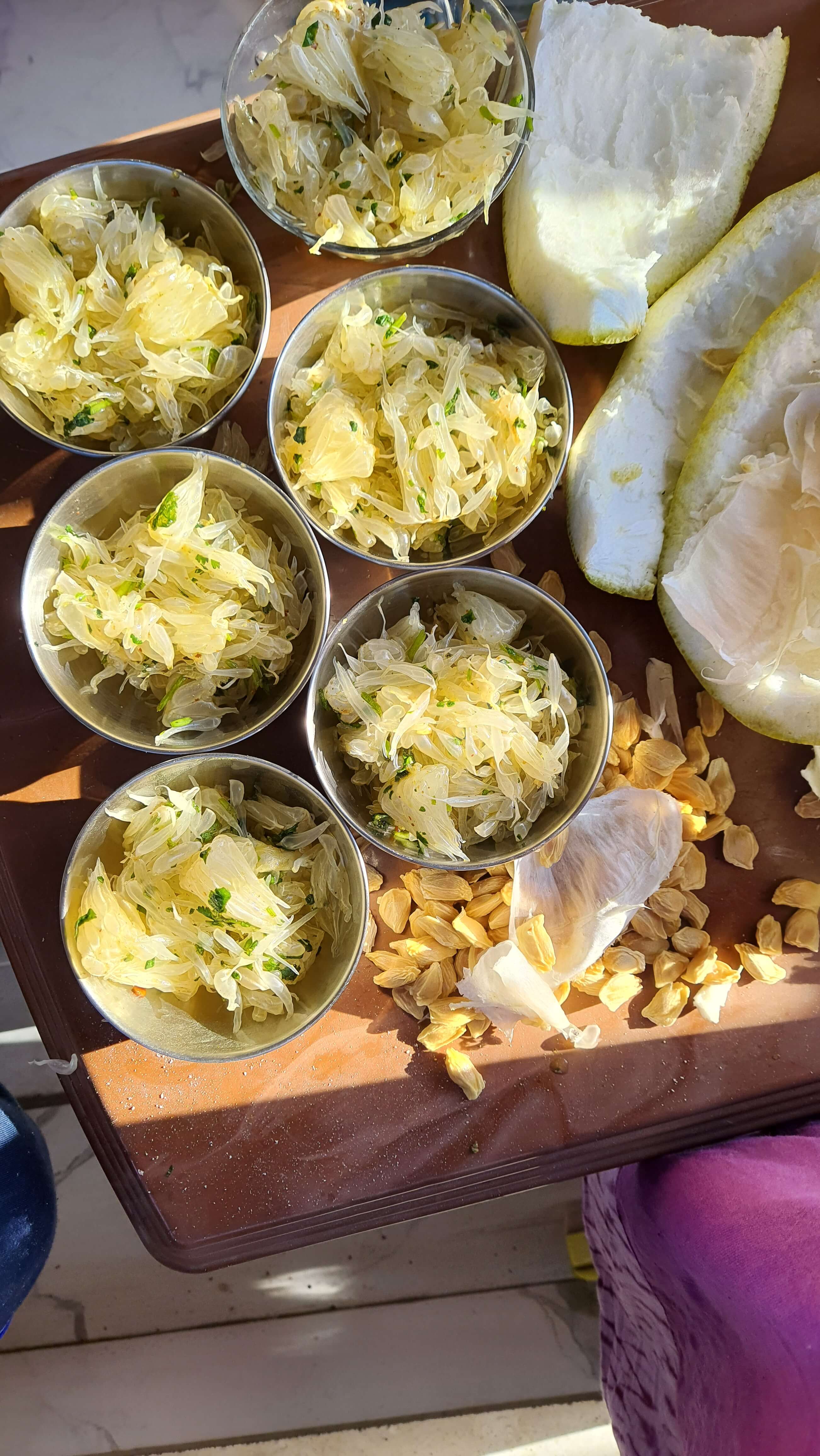
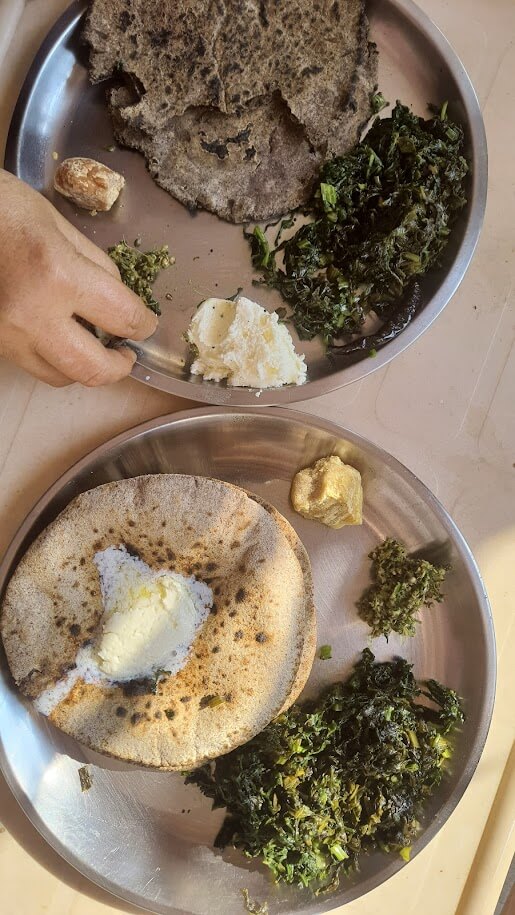
The traditional foods of Uttarakhand by the Himalayan Rasoiya
The challenge is about building healthier diets and more sustainable food systems by rediscovering the nutritional value, biodiversity, and resilience that already exist within our local food cultures, ensuring they continue to nourish both people and the planet.
Other Reads
- The Himalayan Rasoi IG Profile, By Yojana Khanduri (Uttarakhand, India) – Link
- Traditional Superfoods, Instagram Reel, By Yojana Khanduri – Link 1, Link 2
- Discussion on Food Culture and Entrepreneurship at VoW (Uttarakhand, India) – Link
Social Media
- Nutritious and Healthful Traditional Cuisines of Uttarakhand Himalayas (Link)
- Indian Himalayan Region (Link)
- Kafuli A Delightful Local Food of nutrient-rich, thick green curry from Uttarakhand,
- Chainsoo is a traditional dish from Uttarakhand, particularly popular in the Kumaon region. It is made from Black gram (urad dal) that is roasted and then ground into a coarse powder.
- Himalayan Haat, By Divya Chowfin (Uttarakhand, India) - Link
- Food and Agriculture Organisation on United States (FAO) (Link)
- Youth in India (Link)