The Invisible Nutrition Crisis
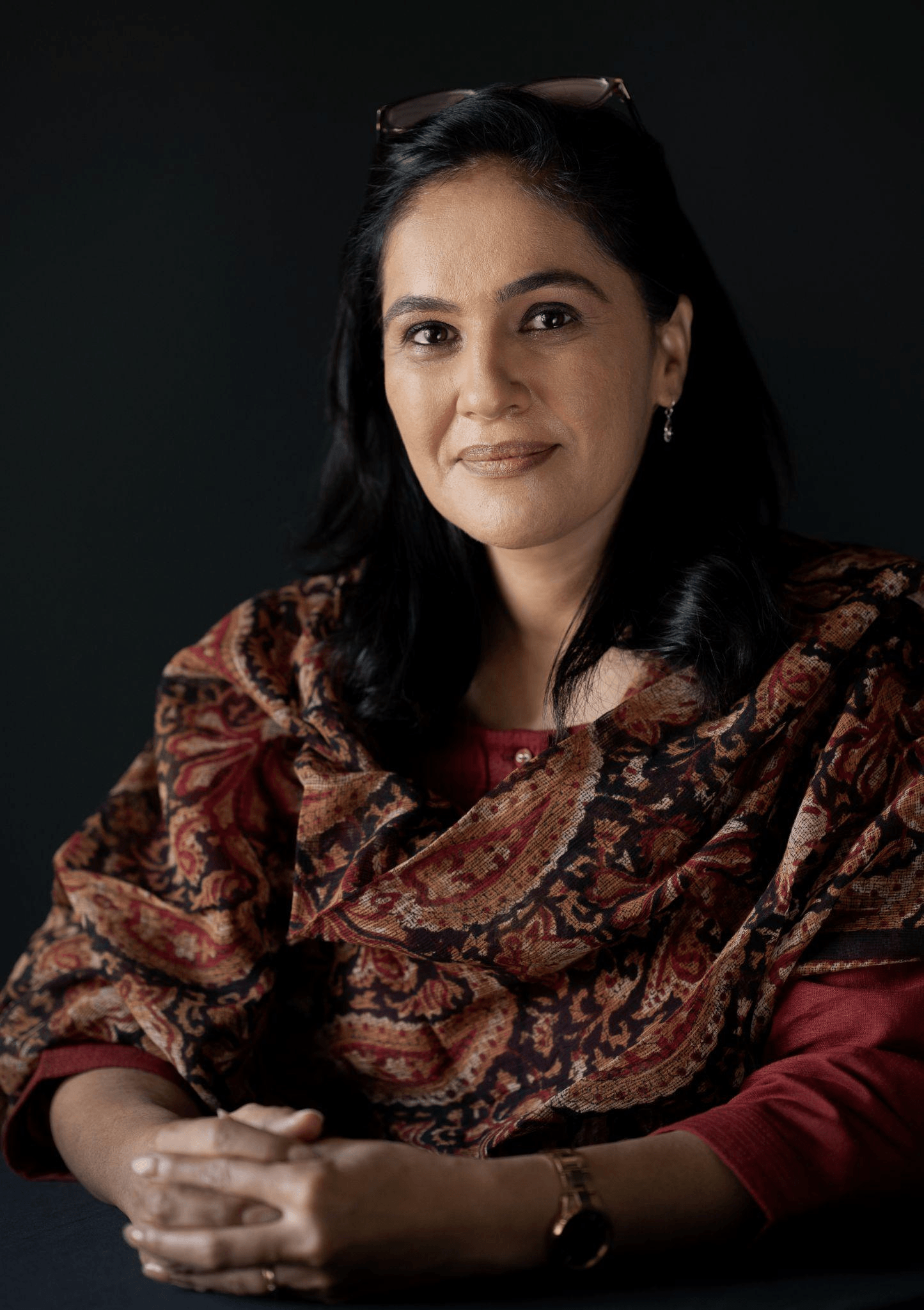
For over two decades, I have worked at the intersection of nutrition science, public health, behaviour change, and food systems. Through my work with the Shiv Nadar Foundation and Arbuza Regenerate, I have witnessed how nutrition influences not only health outcomes but also education, livelihoods, environmental sustainability, and community well-being. Increasingly, I have come to believe that the future of nutrition will depend less on what experts prescribe and more on how young people engage with food, culture, and local food systems.
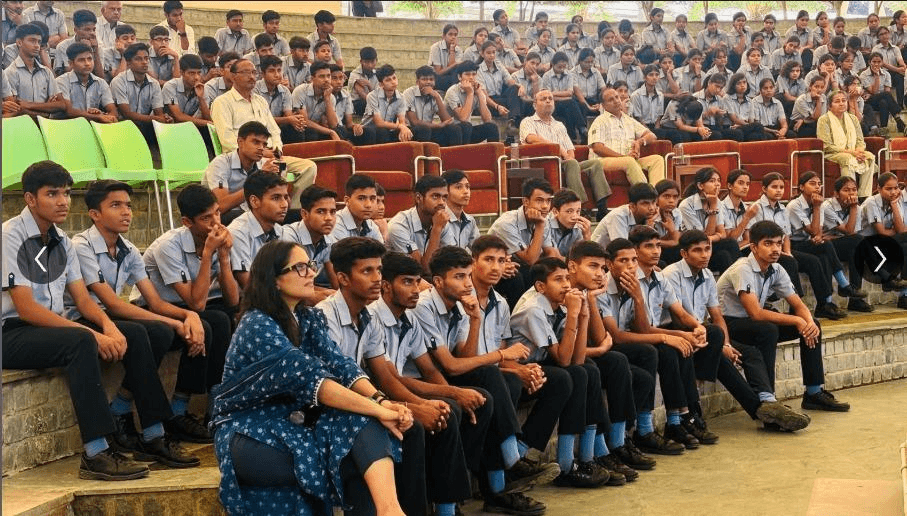
When I joined the Shiv Nadar Foundation, one of our first efforts was to understand the nutrition literacy of adolescents and young adults studying in schools across Uttar Pradesh and Delhi. What emerged from those conversations was striking - In rural residential schools, many students questioned why nutrition should matter at all. Although most came from farming families and were closely connected to food production, they rarely associated nutrition with better concentration, academic success, physical stamina, sports performance, or long-term well-being. For many, nutrition simply did not seem connected to their goals and aspirations.
At the same time in affluent urban schools, the response was different but equally concerning. Many students equated nutrition with restrictive diet plans - “the chart” pasted on a refrigerator that parents occasionally tried to follow. Nutrition was perceived as a rulebook rather than a pathway to health and well-being.
Despite their differences, both groups revealed the same underlying reality: nutrition had become invisible.
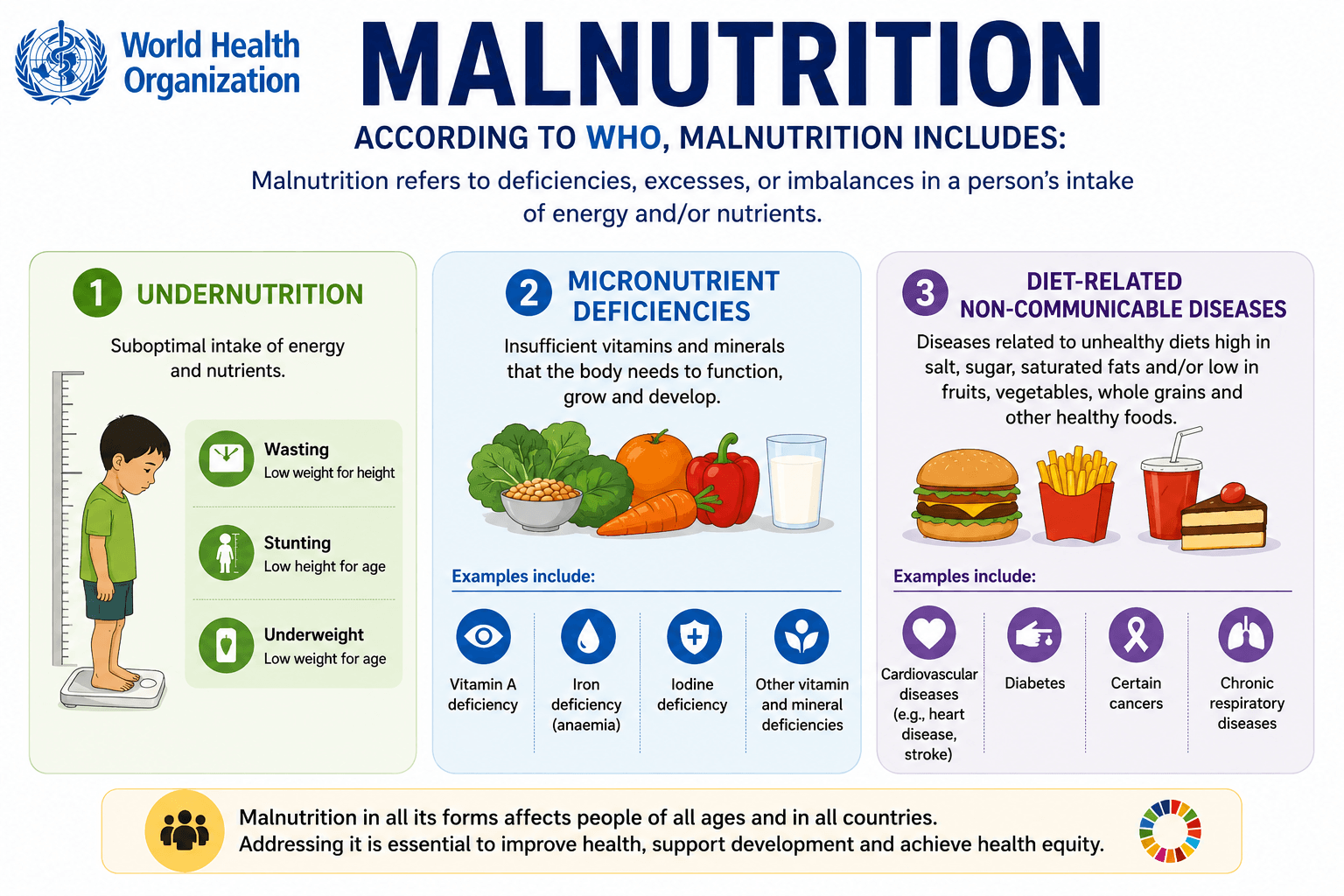
This disconnect comes at a time when the world is facing an unprecedented nutrition challenge. According to the World Health Organization (WHO), malnutrition now includes undernutrition, micronutrient deficiencies, and diet-related non-communicable diseases. Globally, 149 million children under five are stunted, 45 million are wasted, and 37 million are overweight or living with obesity. Nearly half of all deaths among children under five are linked to undernutrition2.
While the latest National Family Health Survey (NFHS-6) points to notable improvement in reducing child stunting and severe wasting, the country continues to grapple with a triple burden of malnutrition - undernutrition, micronutrient deficiencies, and a growing prevalence of obesity and metabolic disorders. The survey also reveals a persistent gap in diet quality, with only about 15% of children aged 6 - 23 months receiving a minimally adequate diet3.
The challenge before us is not merely scientific. We understand the biology of nutrition. The real challenge is translating that knowledge into something meaningful and actionable for young people. We need to move nutrition from the margins of their lives into their aspirations and everyday choices.
Perhaps the first step is to stop talking exclusively about “nutrition” and start talking about “food.” According to me, Food is a memory, Food is culture, Food is identity, Food is what brings people together.
Traditional Foods, Modern Challenges, and the Rise of Ultra-Processed Diets
Beyond the numbers and statistics, I see a profound shift taking place in the way we eat. Across India, many traditional foods that once formed the backbone of local diets are gradually disappearing from everyday meals. Nutritious regional grains, local legumes, seasonal produce, and time-tested recipes are increasingly being replaced by ultra-processed foods that are heavily marketed, easy to access, and often seen as symbols of modernity and aspiration.
One of the biggest challenges I see today is that introducing millets into a household diet is often viewed as less desirable than purchasing packaged snacks or highly processed convenience foods.
Yet traditional foods may hold many of the answers we are seeking.
When I think about the future of food, I often find myself looking to the past. Foods such as mandua4 (finger millet), jhangora4 (barnyard millet), indigenous pulses, and seasonal local produce are not just ingredients - they are products of generations of adaptation between people and their environment. These foods evolved alongside local ecosystems, naturally suited to the region’s rainfall patterns, soil conditions, and climatic realities. In many ways, they are climate-resilient by design.
What fascinates me even more is that their value extends beyond agriculture. Over generations, our bodies have adapted to these foods. The health of our gut microbiome, our metabolic responses, and even the way we process sugars have been shaped by the dietary traditions passed down through families and communities. Traditional foods, therefore, carry not only cultural heritage but also a form of wisdom of nature.
I also see local foods as a powerful opportunity for creating healthier and more sustainable communities. When we support local food systems, we strengthen farmer livelihoods, protect biodiversity, and improve nutrition outcomes at the same time. Few solutions offer such a meaningful intersection of health, environmental sustainability, and economic resilience.
For me, this is why traditional foods should not be viewed as relics of the past. They are valuable assets for the future, offering lessons and solutions that can help us build food systems that are healthier, more resilient, and better aligned with both people and the planet.
Behaviour Change: The Missing Middle in Food Systems Transformation
One of the most important lessons I have learned over the years is that behaviour change is often the missing link in food systems transformation. We can grow nutritious food, develop evidence-based policies, and strengthen supply chains, but meaningful change only happens when people choose healthier foods and make them part of their daily lives.
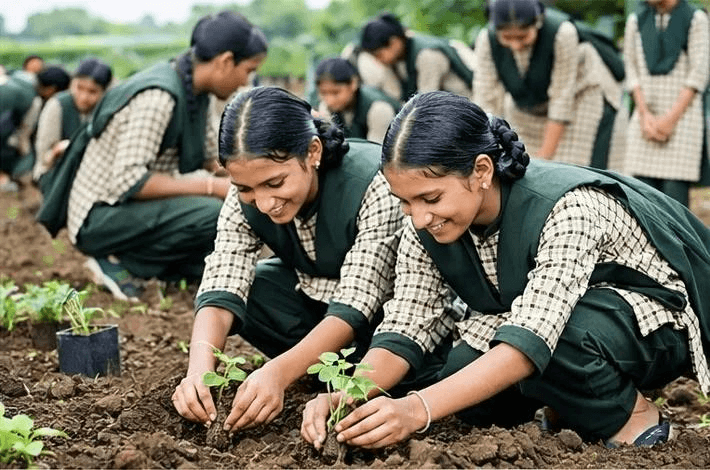
This belief is at the heart of the Shiv Nadar Foundation's MoolGyan programme6, which approaches nutrition education through experience rather than instruction. Instead of simply teaching students what constitutes a healthy diet, the programme immerses them in the entire food journey from planting seeds and harvesting crops to running farmers’ markets and preparing traditional foods. The goal is to help young people build a personal connection with food, nature, and the systems that sustain them.
One experience remains especially memorable to me. In one school, spinach wastage during meals was exceptionally high. We decided to involve students in growing spinach themselves. Over several weeks, they planted, watered, cared for, and eventually harvested the crop. What happened next was remarkable. The same students who had once ignored spinach began encouraging their peers not to waste it. They moved from table to table explaining how much effort goes into growing food they had experienced that effort firsthand.
Nobody had to persuade them that spinach was healthy. Ownership, participation, and a direct connection to nature did what information alone could not: they changed behaviour.
I have seen similar transformations in urban settings as well. Through initiatives such as “guerrilla gardening,” students turn available spaces into thriving food gardens, growing fruit trees, vegetables, papaya, lemon, and other edible crops. The purpose goes beyond food production. It is about rebuilding a relationship between young people and the natural systems that nourish them.
This matters because adolescents are among the most influential agents of change in our food systems. They shape household food choices, influence their peers, and increasingly determine consumption trends. Time and again, I have seen children introduce millet-based foods into their homes after discovering and enjoying them at school. Parents who were initially reluctant often embraced these foods simply because their children asked for them.
These experiences have reinforced an important insight for me: behaviour change does not always flow from adults to children. Sometimes, the most powerful change begins with young people themselves and spreads outward to families, communities, and ultimately, the food system as a whole.
From Audience to Architects: Youth Designing the Future of Food
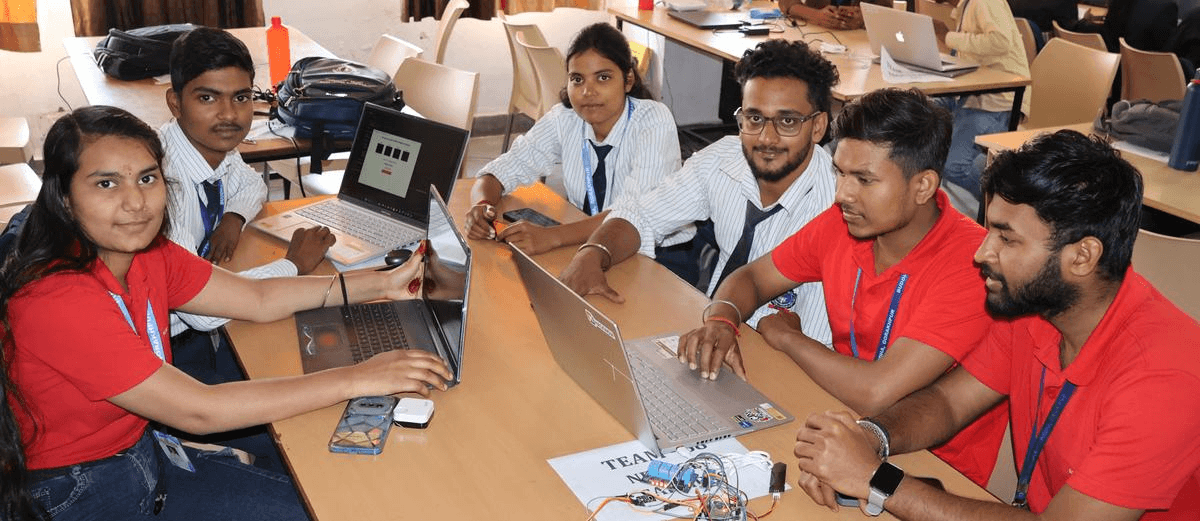
My experience with the Eat Right Youth Hackathon – Uttarakhand 2026 left me more optimistic than ever about the future of food systems in India. It reinforced a belief that has grown stronger throughout my work: young people are not just beneficiaries of food system change, they are capable of leading it.
Uttarakhand is, in many ways, a living laboratory for nutrition innovation. The state is blessed with remarkable biodiversity, climate-resilient crops, rich culinary traditions, and generations of indigenous agricultural knowledge. Yet, what impressed me most during the Hackathon was not just the wealth of these resources, but the creativity, curiosity, and problem-solving mindset demonstrated by the young participants. Their ability to connect local strengths with innovative solutions highlighted the immense potential of youth to drive the future of food and nutrition.
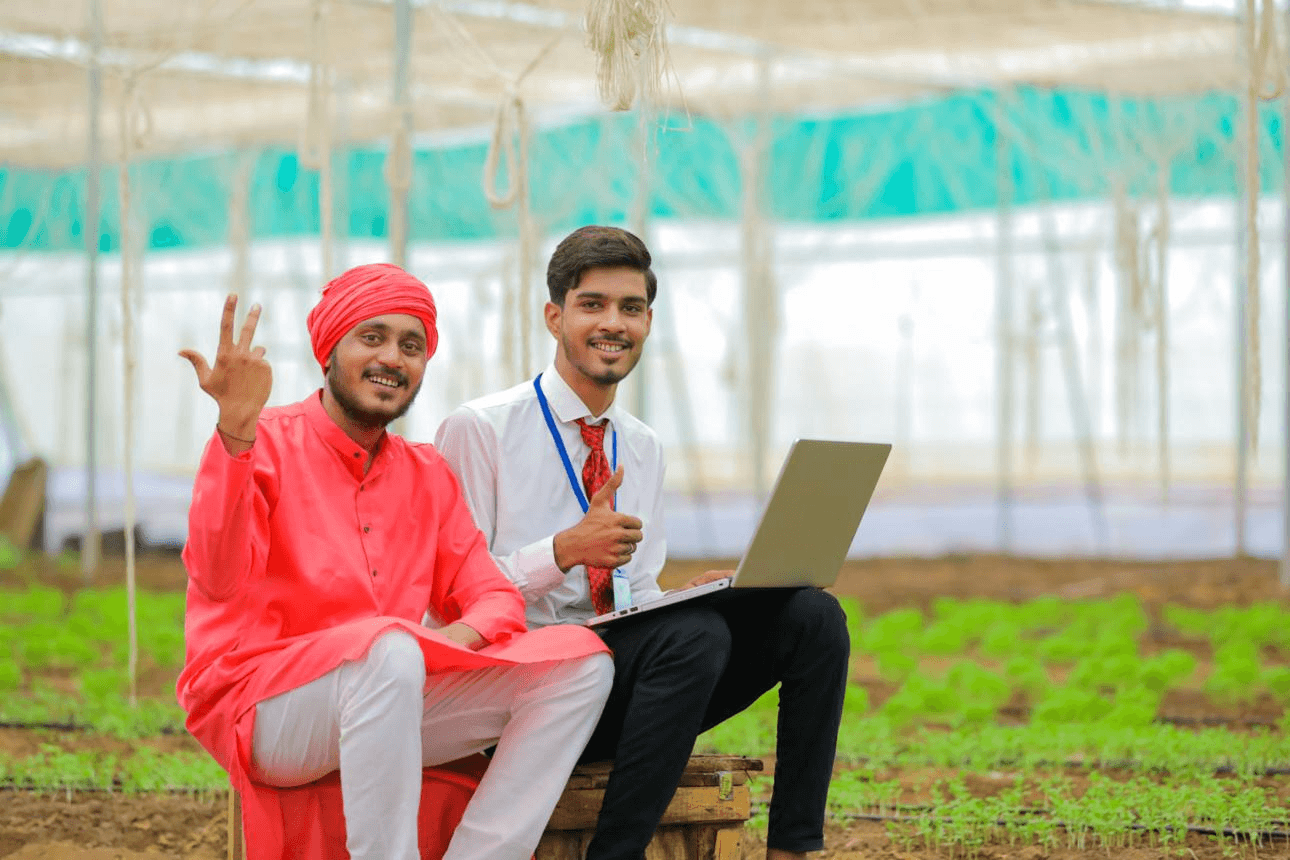
The ideas they presented were deeply rooted in local realities. From millet-based convenience foods and traceability systems for Pahadi produce to food awareness campaigns and community-driven solutions, the innovations reflected challenges they understood because they experienced them firsthand. These were not solutions designed from a distance; they emerged from lived experience.
One lesson I often share with aspiring innovators in nutrition is simple: do not forget the farmer. Too often, innovation focuses on what happens at the consumer end of the food system, while overlooking the people who grow our food. Every healthy food system begins with a farmer, and every meaningful innovation should consider how farmers benefit - whether through better incomes, improved market access, greater recognition, or enhanced well-being.
I have seen this principle come alive through the Shiv Nadar Foundation's MoolGyan programme as well. What started as students asking why traditional foods were disappearing? - gradually evolved into school farms, recipe documentation projects, kitchen gardens, cooking competitions, and meaningful conversations about food heritage. As students develop deeper connections with food, they also become more curious, engaged, and invested in preserving local knowledge and traditions.
Across India, there are many inspiring examples of this kind of youth-led change. Millet revival initiatives driven by young farmers and women’s collectives have shown how local innovation can simultaneously improve nutrition,strengthen biodiversity, and support rural livelihoods. These efforts remind us that some of the most powerful innovations emerge not from laboratories, but from communities.
For decades, India’s innovation ecosystem has celebrated engineering competitions, coding challenges, and technological breakthroughs. While these have undoubtedly driven progress, what I appreciate about the Eat Right Youth Hackathon is that it places food and nutrition at the centre of innovation. It encourages young people to think about food systems with the same creativity, ambition, and problem-solving mindset that they bring to technology and entrepreneurship. More importantly, it reminds us that innovation is not always about creating something entirely new. Sometimes, it is about rediscovering something valuable, reimagining it for the present, and finding new ways to ensure it remains relevant for the future.
My message to young innovators is simple: start with people, not products. Before designing an app or developing a solution, spend time in a local market. Talk to farmers. Cook a traditional meal. Learn from grandparents. Observe what grows in different seasons and understand why communities eat the way they do. Food is deeply human, and nutrition cannot be understood through data alone.
The future of food systems will not be built solely through technology or policy. It will be built by young people who understand the connections between food, culture, health, ecology, and community. If we can nurture that understanding, we will not just create healthier consumers- we will empower a generation of architects capable of building food systems that are healthier, more resilient, and more equitable for everyone.
- Shiv Nadar Foundation
- WHO report on malnutrition
- NHFS 6 report
- Mandua (finger millet), a traditional Himalayan grain, is rich in calcium, fiber, and essential nutrients, making it both a nutritional powerhouse and a climate-resilient crop.
- Jhangora, a traditional Himalayan millet, is light, nutritious, and naturally gluten-free, making it a valuable grain for both health and sustainability.
- The MoolGyan program at Shiv Nadar Foundation
- Empowering young minds today to cultivate healthier, more resilient, and equitable food systems for tomorrow.