Over the course of my career in food quality, safety, nutrition, and large-scale community feeding systems, one conviction has grown stronger with time: policy alone does not shape the future of nutrition. What shapes it equally, perhaps more, is the energy, ingenuity, and bold thinking that young people bring to the table.
My experience with the Akshaya Patra Foundation in India, a non-profit organization implementing one of the world's largest school feeding programmes, has in fact deepened my belief further. Large-scale nutrition programmes provide the much-needed backbone of our food security systems, but sustaining and advancing its impact needs more: I believe fresh thinking, innovation that is cross-disciplinary and interactive, meaningful participation of younger generations can really take the story to the next level. While systems at scale can deliver reach, the young people deliver reinvention.
Beyond Meals: School Feeding Programs; A Development Intervention
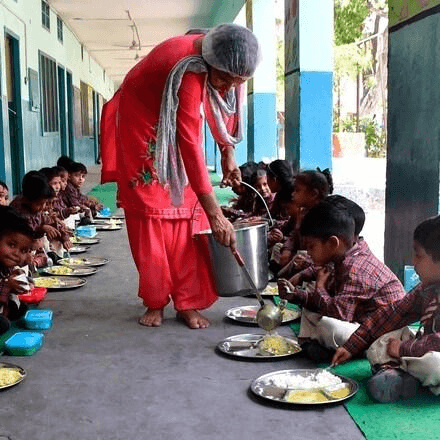
Every day, millions of children across India walk into classrooms carrying more than books and aspirations - they carry nutritional needs that directly influence their ability to learn, grow, and reach their full potential. School feeding programmes have therefore evolved far beyond meal delivery systems. They are among the most powerful social interventions for improving nutrition, supporting education, promoting equity, and strengthening the foundations of future generations.
In India, PM POSHAN (Pradhan Mantri Poshan Shakti Nirman) Scheme is one of the world’s largest school feeding programmes which provides freshly cooked meals to over 118 million children across approximately 1.1 million government and government-aided schoolsii . This reflects the country's commitment to addressing hunger and improving educational outcomes through nutrition.
In my opinion, the impact of school feeding goes far beyond addressing hunger or micronutrient deficiencies. Nutritious meals play a critical role by helping children concentrate better, participate more actively in the classroom, and attend school regularly. For many families, school meals also provide an important safety net, ensuring that children receive at least one nutritious meal every day. As a result, school feeding programmes contribute not only to better nutrition but also to improved learning outcomes, greater school participation, and stronger social protection for vulnerable households.
Through my experience with the Akshaya Patra Foundation, I have learned that school feeding cannot be reduced to logistics at scale- it is a powerful public system that connects nutrition, education, health and social equity. When these systems function well, the impact extends far beyond the classroom - supporting healthier communities, enabling children to reach their full potential, and contributing to the long-term development of the nation.
Youth as Emerging Architects of Nutrition Systems
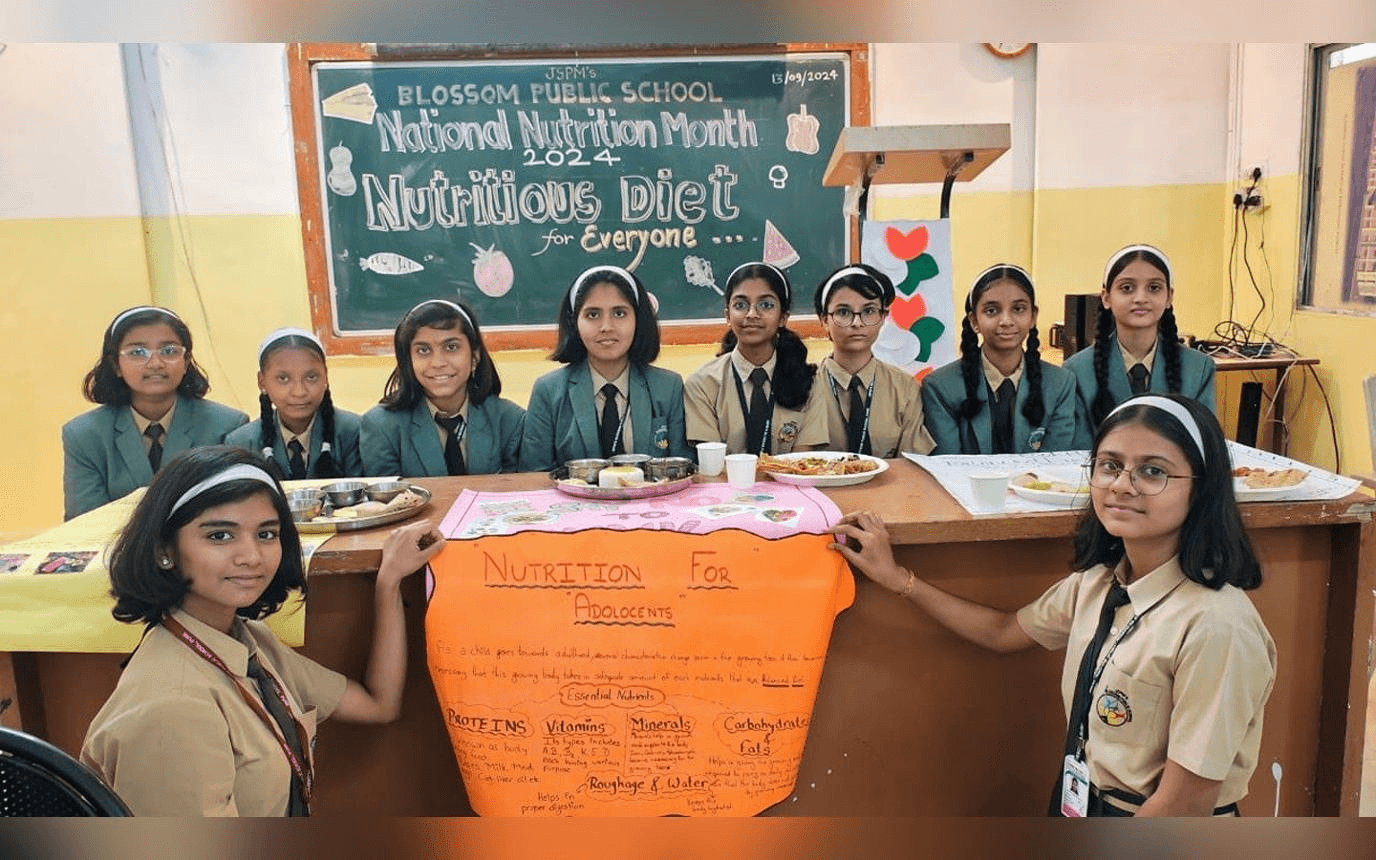
Conventionally, young people are perceived as beneficiaries of nutrition programmes. However, this perception is rapidly changing. Today, youth are increasingly becoming co-creators of solutions - as innovators, researchers, entrepreneurs, and advocates who are helping strengthen nutrition systems. They can significantly strengthen nutrition systems in various ways - awareness, innovation, and accountability.
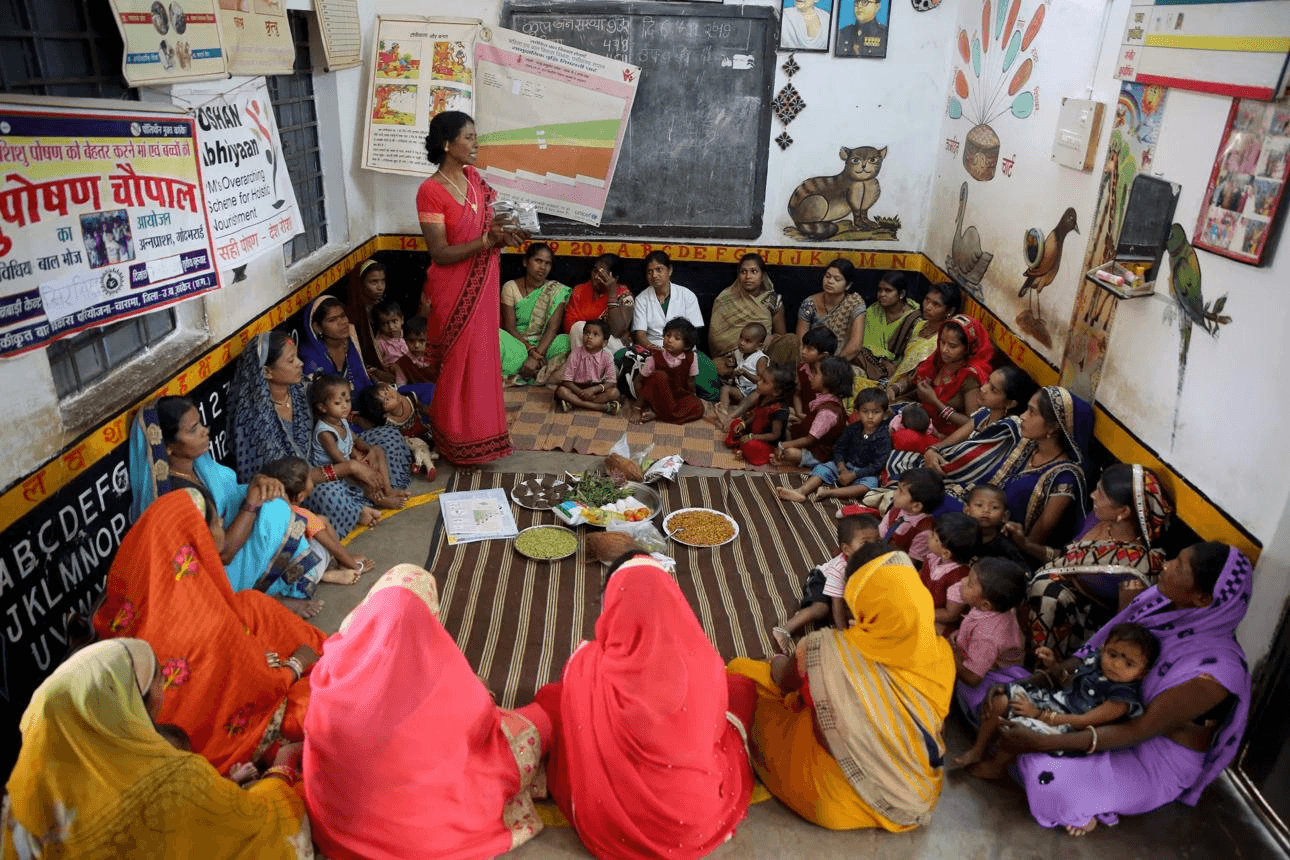
At the community level, they lead campaigns to create awareness on balanced diets, hygiene, anemia, and micronutrient deficiencies, often creating lasting behavioural change
Their familiarity with technology further positions them as powerful problem-solvers in the nutrition ecosystem. Many are developing tools such as meal-tracking applications, supply chain monitoring tools, nutrition data platforms, and AI-enabled solutions that improve programme efficiency and transparency. Others are working to reduce food waste across preparation and distribution systems addressing both environmental and operational challenges.
Beyond technology, youth are contributing through NGOs, community kitchens, campus initiatives, policy research, and nutrition-focused startups. Some build startups focused on fortified foods, affordable nutrition, school health systems, and digital planning tools.
One of the most significant shifts I observe is their ability to use digital ecosystems to shape conversations around health, sustainability, and food systems. Social media and digital platforms now allow ideas on health, sustainability, and food systems to spread rapidly, evolve through dialogue, and influence real-world decisions - often faster than traditional communication channels.
Taken together, these contributions demonstrate that young people are not merely beneficiaries of nutrition programmes - they are active partners in shaping stronger, more innovative, and more resilient nutrition systems.
Innovation Beyond Technology
Food waste remains one of the most urgent global sustainability challenges. Even small improvements in planning, storage, transport, and consumption behaviour can significantly improve system efficiency and reduce losses. I have seen young people contribute meaningfully in this space, not only through technology-driven solutions such as smart logistics and monitoring tools, but also through awareness campaigns that encourage more responsible consumption and reduce wastage at the community level.
Some of the most meaningful innovations I have observed, however, are deeply rooted in culture and human-centred. One experience that strongly reinforced my belief in the power of youth-driven innovation was during the celebration of the International Year of Millets wherein I witnessed student-led initiatives across cities such as Surat, Gandhinagar, and Rajkot, where universities came together to reimagine food innovations. Traditional snacks such as khakhraiii were redesigned using millet-based ingredients, making them more nutritious while retaining taste, affordability, and cultural familiarity. This balance between nutrition and acceptance is where sustainable food innovation truly succeeds.
Learning From Real-World Food Systems
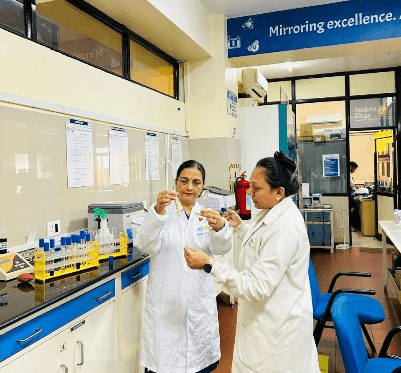
Working within large-scale food delivery systems has taught me that innovation is only meaningful when it works in the real world. At scale, these systems rely on strict quality control, standardized processes, strong food safety compliance, digital monitoring systems, and efficient logistics and distribution networks. Together, these elements ensure that food is delivered safely, consistently, and reliably to large populations.
The social innovation system working through the Akshaya Patra Foundation demonstrates how centralized kitchens, minimal manual handling, and strong process design can enable the safe delivery of millions of meals daily.
I have also seen how large-scale feeding systems depend on a combination of strong food safety practices, standardized processes, digital monitoring, efficient logistics, and rigorous quality control. These elements work together to ensure that nutritious meals reach children safely and consistently every day.
At the same time, while taste drives acceptance, nutrition cannot be compromised. The most successful food solutions are those that balance both - food that people enjoy and food that is actually good for them. For young innovators, the real opportunity lies in combining technology, strong systems, and nutrition-first thinking to create solutions that are practical, scalable, and meaningful.
For young food entrepreneurs, one lesson stands out: technology is no longer optional - it is central to how modern food systems function. Digital tools and automation help improve efficiency, consistency, and scalability. Equally important is standardization. Clear processes around hygiene, quality, packaging, and delivery are what make food systems reliable and trusted.
Building the Future of Food Systems Together
No nutrition system can succeed in isolation. Governments, schools, NGOs, researchers, communities, and the private sector have important roles to play. From my experience, the strongest and most sustainable solutions emerge when these stakeholders work together towards a shared goal rather than operating independently.
What gives me optimism is the growing global awareness among young people around sustainability, health, and the food system. Increasingly, they are not only asking what challenges exist - but also why they exist and how they can be solved differently.
The future of food systems will not be defined solely by policy or technology. It will be shaped by people who understand the deep connections between food, health, culture, ecology, and sustainability. Often, transformative ideas begin not in institutions, but in classrooms, communities, and simple questions that challenge existing systems.
That question - How can we do this better? - is where real meaningful change begins. Young people are not only future users of nutrition systems; they are already helping shape them today through creativity, innovation, and fresh perspectives.
Ultimately, lasting impact will come from strong partnerships, shared responsibility, and a commitment to building food systems that are healthier, more inclusive, and more sustainable for future generations.
- FSSAI (Food Safety and Standards Authority of India): India's national food regulatory body responsible for setting food safety standards and ensuring availability of safe and wholesome food for consumers.
- PM Poshan (Link)
- Khakhra is a traditional Gujarati snack made from thin, roasted flatbread, known for its crisp texture and versatility as a healthy, ready-to-eat food.