If I walk into any urban household today In India one would notice small, telling signs of this change - larger refrigerators, growing dependence on ready-to-cook products, increased online food ordering, and busier lifestyles that prioritize convenience. Urbanization has led to increasing disposable incomes, changing family structures, and evolving lifestyles that are altering how food is being consumed. At the same time, consumers are becoming more health-conscious than ever before, reading labels, comparing ingredients, and actively seeking healthier alternatives. Even amid all this change, India is unique.
June 17, 2026
Food, Culture & Young Changemakers
There is a keen sense these days that India's relationship with food is changing rapidly.
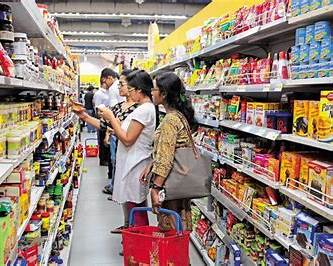
Unlike many countries where convenience has gradually displaced culinary traditions, food in India is deeply intertwined with our culture, families, memories, our festivals, and India's vibrant community. This intersection of tradition and technology presents a very exciting opportunity for paving the way for the future of food systems in India. In my view, that future will not be shaped by any one stakeholder alone. It will emerge through the collective efforts of all of us, be it the government, private sector, entrepreneurs, consumers, and most importantly, our young innovators.
I have extensively researched this topic. In fact, this appreciation for traditional food wisdom inspired me to write Food Culture in the Mahabharataiv, a book that explores how food, nutrition, agriculture, and sustainability were deeply woven into everyday life in ancient India. It is a reminder that many of the conversations we are having today about healthy diets and sustainable food systems have roots that stretch back centuries.

India's dietary landscape has undergone significant transformation over the last two decades. The rapid growth of food delivery platforms like Zomato, Swiggy, Magicpin in addition to organized retail, and dual-income households has made convenience a major driver of purchasing decisions that shape the food choices of today. My experience in the food industry of over 30 years has shown me that food manufacturers and processors have a responsibility that extends beyond business success. Every product developed, every ingredient selected and every decision made has the power to influence how people eat. And by this they directly impact their nutrition, health and overall well-being at scale.
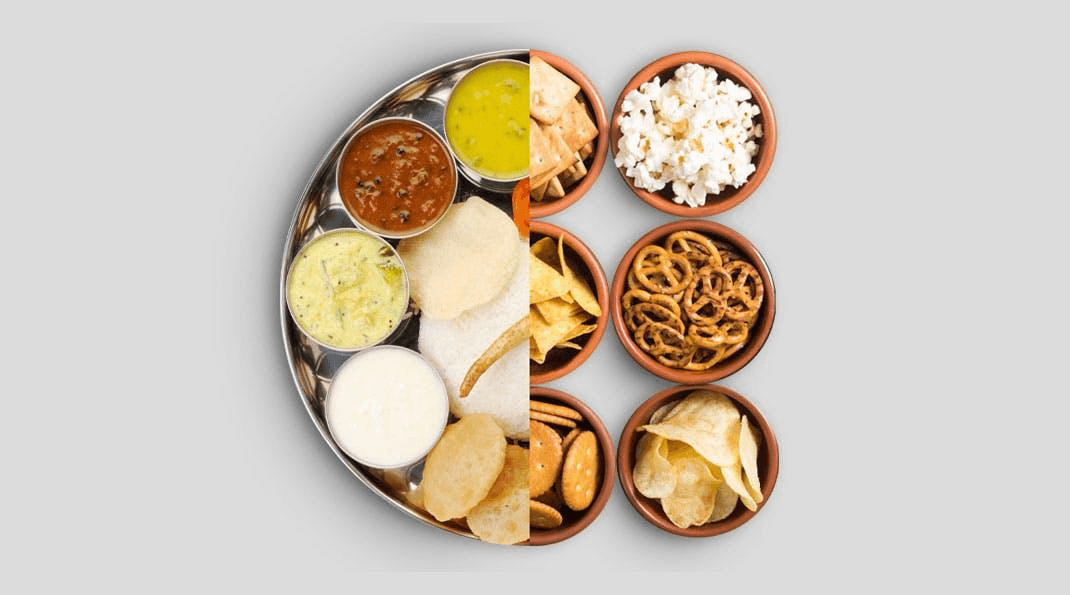
If I walk into any urban household today In India one would notice small, telling signs of this change - larger refrigerators, growing dependence on ready-to-cook products, increased online food ordering, and busier lifestyles that prioritize convenience. Urbanization has led to increasing disposable incomes, changing family structures, and evolving lifestyles that are altering how food is being consumed. At the same time, consumers are becoming more health-conscious than ever before, reading labels, comparing ingredients, and actively seeking healthier alternatives. Even amid all this change, India is unique.
Health Is No Longer a Trend- It's a Consumer Priority
One of the most significant changes I observed during and after the COVID-19 pandemic was the growing awareness among consumers about health and nutrition. Health was no longer a long-term aspiration - it became an immediate priority. People started paying much closer attention to what they were eating, actively looking for foods that could support immunity, products with cleaner labels, lower sugar content, fewer preservatives, and ingredients that offered greater nutritional value. This shift has fundamentally changed consumer expectations and continues to influence the way the food industry innovates and communicates.
What is particularly encouraging is that this shift is no longer driven solely by food industries. Consumers themselves are demanding healthier choices and greater transparency than ever before. I have come across several studies on food labelling in India that show that awareness of food labels is widespread, with a large majority of consumers considering label information helpful when making food choices. They are increasingly reading food labels, questioning ingredients, and looking beyond marketing claims to make informed decisions. I believe that consumers today are not passive recipients of food products; they have become informed evaluators and this is reshaping the future of food innovation
Food Beyond Nutrition: Culture, Memory, and Identity
One of the most exciting developments I have witnessed in recent years is the rapid growth of India's packaged food sector. This expansion is creating tremendous opportunities for innovation, entrepreneurship, and value addition across the food value chain. However, I believe that while packaged food is becoming an increasingly important part of modern diets, a significant portion of the food consumed in India is still rooted in fresh ingredients, local markets, and home kitchens. For this reason, public health and nutrition challenges cannot be viewed solely through the lens of packaged foods. In my view, meaningful progress requires us to look at the entire farm-to-fork ecosystem, encompassing agriculture, food processing, retail, food service, and consumer behavior.
Over the course of my career, One belief that has grown stronger: India's relationship with food cannot be understood through a purely commercial or nutritional lens. It must be viewed in the context of our culture, traditions, and way of life. I often say that India should be viewed through Indian spectacles rather than Western lenses. Despite rapid urbanization and changing lifestyles, we have managed to preserve something incredibly valuable - our rich and diverse food culture.
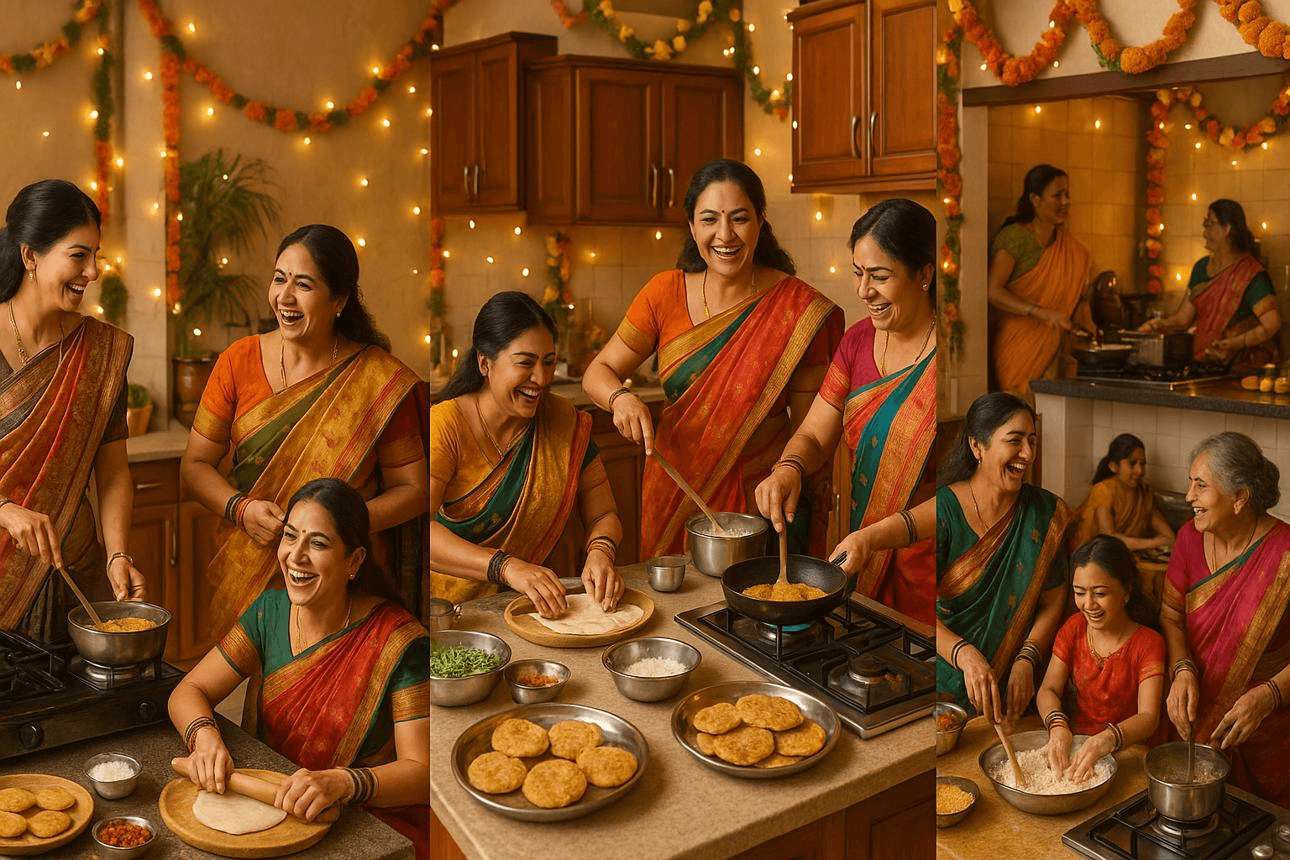
For us, food is much more than nourishment. It is closely tied to our memories. Food is a reflection of our identity, traditions, languages, emotions, and communities. Food accompanies us through life's most meaningful moments - from festive celebrations and family gatherings to rituals and milestones. Beyond nourishment, it carries memories, emotions, and stories, creating bonds that connect generations and keep our traditions alive.
Over the years, I have come to appreciate that changing food habits is often far more complex than simply providing information about nutrition. People's food choices are shaped not only by taste but also by the memories and emotions associated with them. A dish prepared by a mother, grandmother, or loved one often carries a sense of comfort and belonging that stays with us throughout our lives. Understanding this deep cultural connection is important if we want to encourage healthier eating habits while respecting the traditions that make Indian food so unique.
This has taught me that encouraging healthier eating habits is not just about telling people what to eat. It requires patience, empathy, and respect for the traditions and values that make Indian food culture so unique.
Rooted in Tradition, Inspired by Innovation
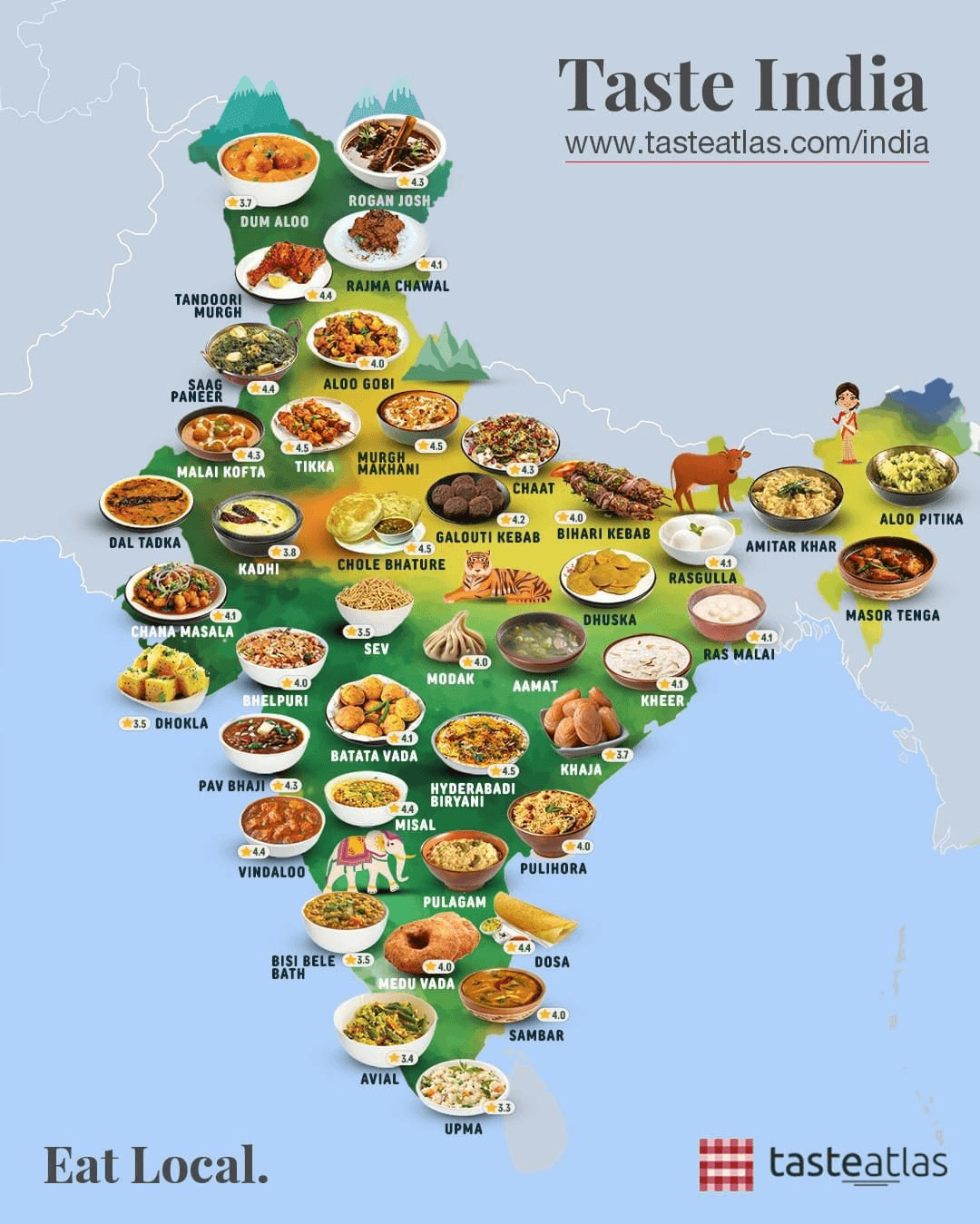
I have always been fascinated by the extraordinary diversity of Indian cuisine. Every region, state, and community has its own unique food traditions, shaped by local ingredients, culture, and history. In states such as West Bengal, Maharashtra, Gujarat, Tamil Nadu, and many others, one could enjoy a different traditional dish every day for months without repetition. This richness is what makes food in India so much more than something we eat - it becomes a part of our identity, our sense of belonging, and our memories. Yet, what inspires me most is how our food culture continues to evolve while staying rooted in tradition. One of the most remarkable examples of this in recent years has been the resurgence of millets.
The revival of millets is a remarkable example,The International Year of Millets 2023 brought the grains that were once a staple of Indian diets are finding their way back to consumers through innovative products, from snacks and breakfast foods to convenient ready-to-cook formats.
This is a powerful reminder that innovation is not always about creating something entirely new. Sometimes innovation means rediscovering forgotten wisdom and adapting it to the needs of a changing world.
The Rise of Youth-Led Food Innovation
One of the challenges that continues to concern me is the persistence of malnutrition and micronutrient deficiencies in India. Globally, more than 2 billion peoplev suffer from micronutrient deficiencies, often referred to as "hidden hunger." While awareness around nutrition has grown, there is still a need for innovative food-based approaches that can help make healthy diets more accessible and effective for people across different communities.
Over the past several weeks, I have had the opportunity to interact with numerous young innovators working on food and nutrition challenges. What impressed me most was not simply their creativity but their scientific thinking, curiosity, and commitment to solving real-world problems. From food fortification and biofortification to improved nutrient delivery, healthier food formats, and the revival of traditional foods, I encountered a wide range of ideas aimed at addressing pressing nutrition challenges. Some of the ideas were particularly inspiring. One team tapped into the untapped potential of indigenous Himalayan berries from Uttarakhand, transforming these nutrient-rich but lesser-known fruits into antioxidant-packed value-added products. Another developed food-based approaches to improve iron intake among women, while others focused on improving plant-protein bioavailability and developing safe, convenient foods with longer shelf life.
Will every idea become a thriving business? Perhaps not. But that is not the most important outcome. What truly matters is the mindset behind these innovations - the curiosity to identify problems, the courage to test new approaches, and the determination to create meaningful change.
Why India's Young Population Is Its Greatest Advantage
What makes me optimistic about India's future is its young population. With nearly two-thirds of Indians below the age of 35vi, our country is brimming with energy, creativity, and entrepreneurial spirit. I believe this young generation can play a major role in creating the future of India's food system. What makes this opportunity even more exciting is that consumer expectations are evolving at the same time. Today's consumers are more informed and conscious than ever before. They are looking for healthier choices, cleaner labels, traditional ingredients with scientific validation, and foods that support their overall well-being.
This presents a tremendous opportunity for innovation, but also a responsibility. Over the years, I have learned that successful food businesses are built not just on great products, but on trust. The brands that create lasting impact are those that solve real problems, remain connected to consumer needs and cultural realities, and consistently deliver value. In the food industry, trust remains the most important ingredient of all and I strongly believe that innovation cannot exist in isolation from culture.
Looking Ahead
I am convinced that India's food future will be shaped by our ability to blend nutritional science with cultural wisdom. The goal is not only to create healthier products but also to preserve our rich culinary heritage while embracing innovations that make food healthier, more sustainable, and more accessible.
Most importantly, it will depend on empowering young minds to identify challenges and develop solutions. Every new idea has the potential to spark change, and when innovation is rooted in purpose and culture, its impact can be truly transformative.
The ideas are already emerging. The momentum is building And the future of food in India has never looked more promising.
- Codex
- Accidental Food Technologist is an inspiring memoir that chronicles his journey from a farmer's family to becoming a leading food technologist and regulatory expert in India
- Food Culture in Mahabharata is a research-based analysis of the food systems, culinary practices, and food governance reflected in the epic
- Food Culture in the Mahabharata
- WHO report Link
- Report from Ministry of Youth Affairs and Sports Report