Nutrition Connect in Conversation with Nicole Metz and Ninja Lacey, Netherlands Food Partnership (NFP)
Healthier diets are not just a goal; they are a central outcome of fully functioning food systems. Around the world, the call for healthier, more sustainable food systems is growing louder. Yet, for many communities, access to safe and nutritious food remains a daily challenge, even with proven interventions such as food fortification, designed to fill the gap. This pinpoints a critical question, one that sits at the heart of the challenge: What does it take to embed healthy diets into food systems — and make them accessible for all?
According to Nicole Metz and Ninja Lacey, Partnership Builders at the Netherlands Food Partnership (NFP), it all starts with choice.
A decision by governments, investors, value chain actors — and even households — to prioritise healthy diets - Nicole Metz, Partnership Builder, Netherlands Food Partnership.
However, turning that choice into reality is a complex process. It requires action at every level of society, from policy reforms and investment decisions to farming practices and consumer behaviour.
A Multifaceted Approach
There are several building blocks to embedding healthier diets sustainably and at scale, including:
- Political will and policy reform that align with the Sustainable Development Goals (SDGs)
- Private sector engagement, ensuring fresh, diverse, safe, and nutritious foods are readily available
- Robust infrastructure to efficiently link farmers to markets
- Empowered consumers, who are equipped with affordable, nutritious options
- Organised and motivated farmers who have access to resources, inputs, and markets to produce and sell high-quality, nutrient-rich crops consistently
But no single stakeholder can drive this change alone. This requires collaboration among the public and private sectors, as well as among communities and policymakers.
It’s a systems challenge — no single stakeholder can solve it alone - Nicole Metz.
A Blueprint for Action: Ghana's Food Environments Coalition
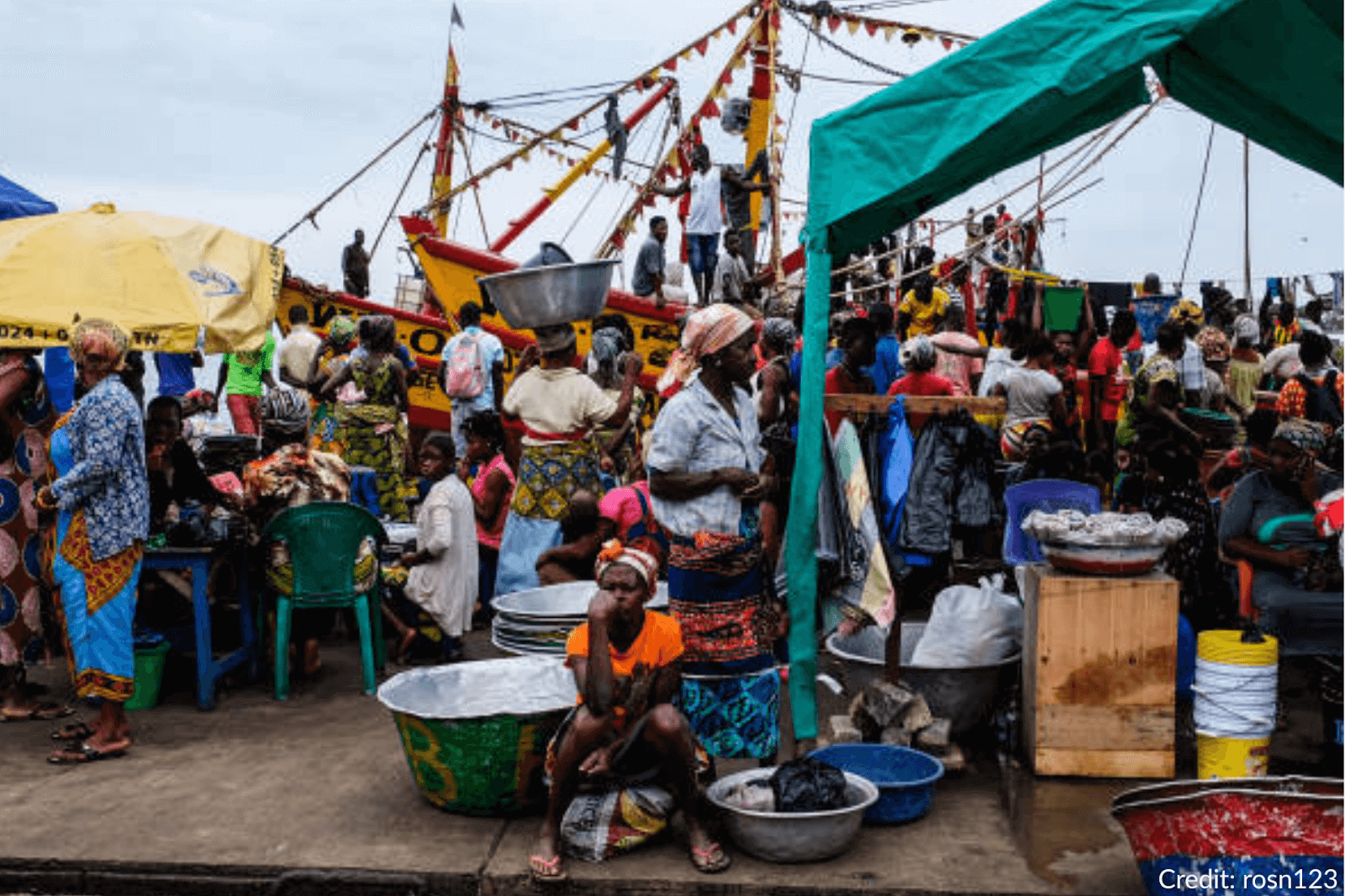
Ghana: A colourful, vibrant fish market at Bosomtwi Sam Fishing Harbour with women waiting to buy fish from local fishermen.
In Ghana, the Netherlands Food Partnership supported the Ghana Food Environments Coalition, a multi-stakeholder initiative aimed at reshaping urban food systems in Accra.
Through coordinated action, the coalition’s achievements included:
- Upgrading local markets: Improving hygiene and management standards to boost the availability of healthy foods.
- Connecting rural producers with urban markets: Building efficient supply chains for fresh, nutritious food.
- Translating dietary guidelines into awareness tools for consumers.
The coalition brought together public and private actors, local entrepreneurs, universities such as the University of Ghana, and partners like the FAO, offering a blueprint for shaping urban food systems through targeted collaboration.
The Hidden Costs of Cheap Food
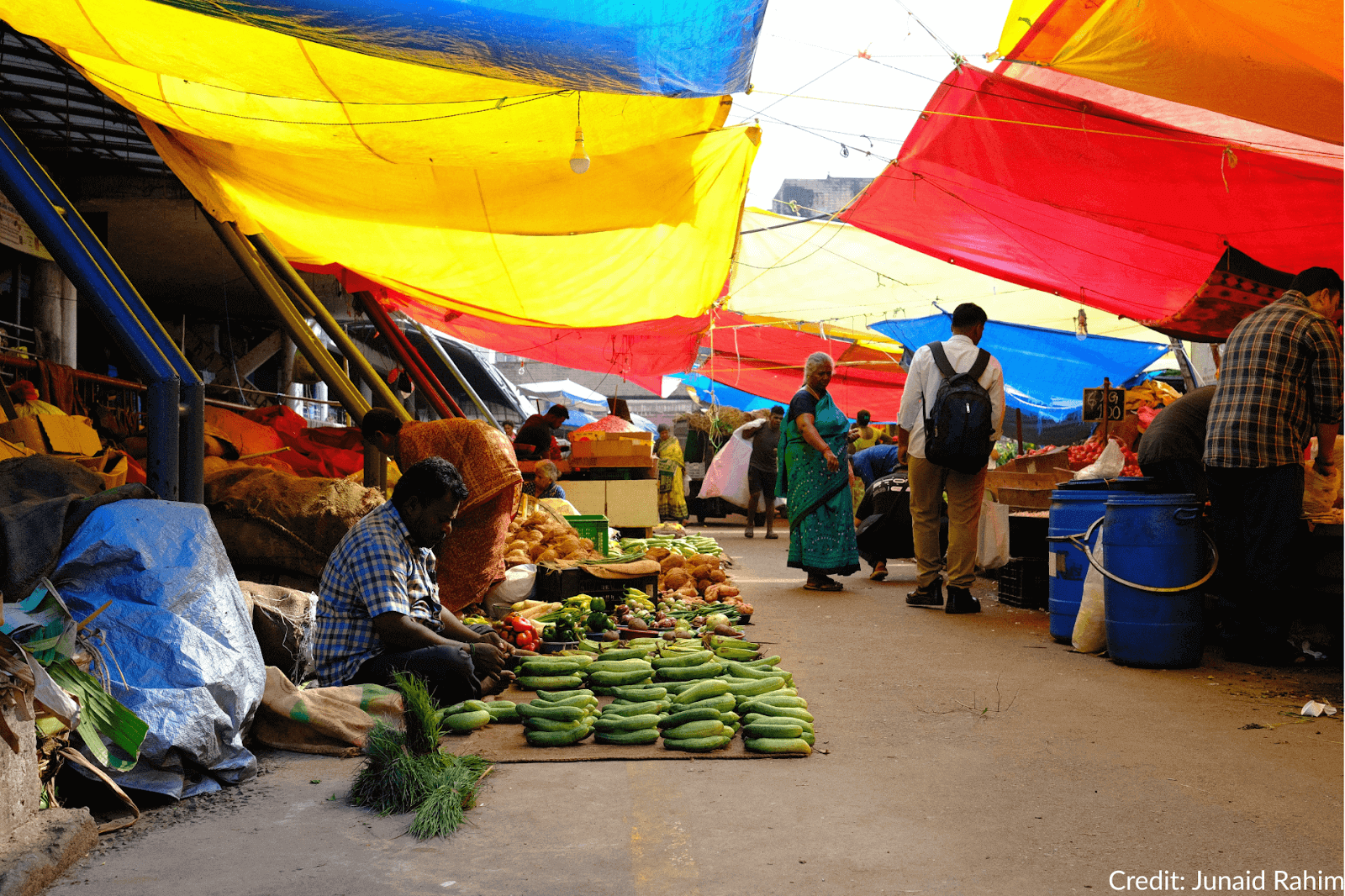
Asia: An outdoor fruits and vegetables market with vendors and buyers alike.
While unhealthy, ultra-processed foods often appear affordable, their true cost is much higher. As the price tags on these products hide a dangerous reality.
We’ve long focused on the environmental and social costs of food. Now, we’re also quantifying the hidden health costs — the long-term impact of poor diets on individuals and society - Ninja Lacey, Partnership Builder, Netherlands Food Partnership
Through innovative methodologies like true cost accounting, NFP, through the Global Partnership for the True Price of Food and partners GAIN, the Access to Nutrition Initiative, and True Price Foundation, is working to expose these hidden costs and shift both policy and investment towards genuinely affordable, nutritious food options, including fortified staples that can help bridge nutrient gaps at scale.
Cheap, ultra-processed foods may carry low price tags, but they come with high long-term costs to individuals and society through diet-related diseases.
Building Trust for Long-Term Collaboration
Sustained progress in embedding healthy diets depends on more than just technical solutions. At its core, it requires trust, inclusivity, and shared purpose.
Successful collaboration is rooted in:
- Relationship building: Creating neutral spaces for diverse stakeholders (public, private, civil society) to build trust.
- Knowledge sharing: Focusing on shared topics (e.g., true pricing, enhancing dietary diversity, stunting reduction) to spark collaboration.
- Navigating complexity: Addressing power imbalances, funding gaps, and political differences transparently. Independent facilitation helps.
- Bridging sectors: Connecting agricultural ventures, such as vegetable seed companies and livestock producers with nutrition communities. An example is ensuring nutrient-rich foods reach vulnerable groups requires cross-sector partnerships.
Looking Ahead: Positioning Nutrition in Policy

Two partners shaking hands. A handshake is a widely recognised symbol of partnership.
As the UN Decade of Action on Nutrition (2016–2030) draws to a close, the NFP is focused on ensuring that healthy diets remain at the centre of global and national policy agendas.
Their work includes facilitating engagement at major summits, such as the UN Food Systems Stocktake and Nutrition for Growth, and leading coordinated advocacy efforts. One such example is the recent 95-organisation joint agenda, developed in collaboration with the Dutch network of companies, knowledge institutions, and civil society, which urges the Dutch government to pursue a long-term strategy for global food security and healthy nutrition for all.
As a convenor, our strength lies in helping stakeholders find their voice and platform. This call was an important joint statement, which inspired our community - Nicole Metz.
The Long Game for Healthier Diets
Embedding healthier diets into food systems is not a quick fix — it’s a long-term endeavour that requires time, the collective will of partnerships, and systemic thinking. Yet with tools like true cost accounting and multi-stakeholder collaboration, meaningful progress is within reach.
Additional Resources
Urban Food Environments by the Netherlands Food Partnership
Ghana Urban Food Environment Coalition Advocates for a Healthier Food Environment in Ghana
Global Partnership for the True Price of Food
The Dutch Approach to Worldwide Food Security: Strengthened Through Partnerships!