The Promise of Fortification and the Problem
Food fortification—the act of adding essential vitamins and minerals to staple foods—is one of the most cost-effective public health tools for combating malnutrition. According to the World Health Organisation (WHO, 2022), large-scale food fortification has significantly reduced anaemia, neural tube defects, and other nutrition-related conditions. And yet, more than 2 billion people worldwide still suffer from micronutrient deficiencies—often referred to as “hidden hunger” (WHO, 2023).
So why hasn’t fortification closed the gap?
Across Africa and Asia, the implementation of fortification programmes faces significant drawbacks. These include diverse dietary patterns, weak regulatory enforcement, limited access for small-scale producers, and consumer mistrust. To unlock its full potential, food fortification efforts must move beyond blanket mandates to context-driven, multi-sector solutions. This article examines how public-private engagements (PPEs) can inform smart, context-appropriate food and nutrient fortification strategies.
1. The Challenge of Context: One Size Doesn’t Fit All
Dietary habits and staple foods vary widely across and within regions:
- In South Asia, rice is the dominant staple, but iron and folate deficiencies contribute to high rates of anaemia and congenital disabilities.
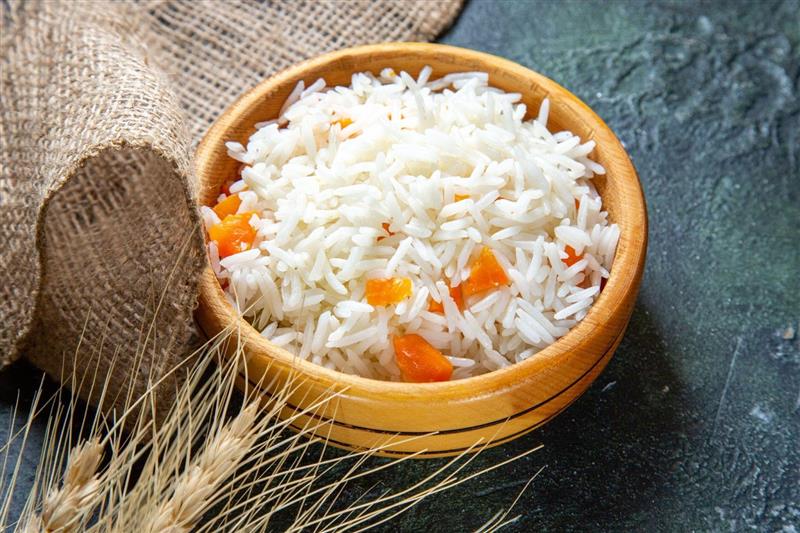
A bowl of white rice, a dominant staple in South Asia.
- In Sub-Saharan Africa, maize and cassava are the most common crops, but Vitamin A, zinc, and iodine deficiencies remain widespread.
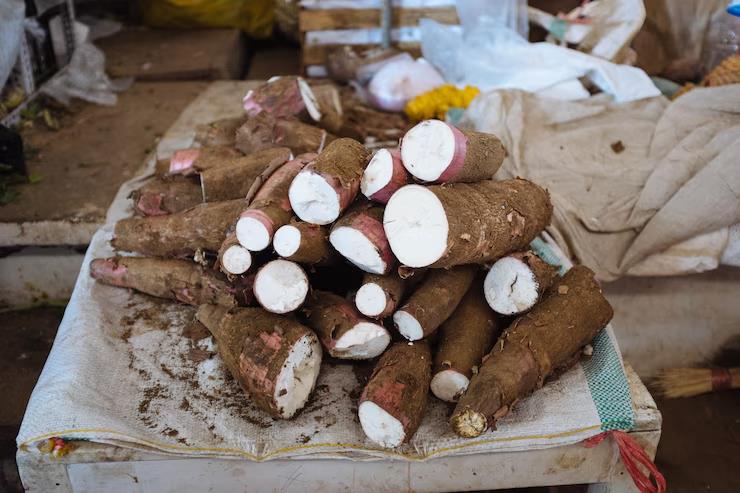
Freshly harvested cassava, one of the most common food crops in sub-Saharan Africa.
Fortifying one staple often isn’t enough. In many rural areas, diverse traditional grains and homegrown foods don’t align with mass-market fortification efforts. As such, effective fortification must start by identifying the most commonly consumed foods among vulnerable populations, and fortify accordingly.
2. Fragmented Food Systems: Reaching the Informal Sector
Across both continents, much of the food consumed is processed by informal or small-scale mills that operate outside formal regulation. These local producers are often excluded from national fortification schemes due to cost, logistical constraints, or technical limitations.
- In Africa, local grain mills dominate both rural and urban markets.
- In Asia, small oil mills, rice hullers, and local processors serve vast communities.
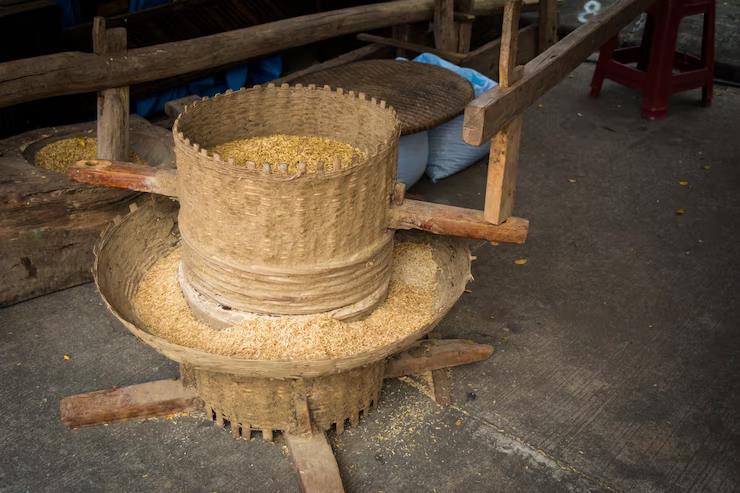
Maize in a basket ready to be milled.
The informal sector isn’t optional. To achieve true coverage, fortification efforts must support these producers with training, low-cost technology, and simplified monitoring tools.
3. Regulation Without Enforcement
While 86% of countries have food fortification legislation in place, only 48% enforce it effectively (Global Fortification Data Exchange, 2024). This results in inconsistent quality, non-compliant products, and limited consumer protection.
In Africa, conflicting standards across trade blocs hinder the scaling up of efforts. In Asia, some countries excel in implementing salt iodisation, while others struggle with its broader adoption.
Stronger systems must back strong laws. Investment is needed in inspection, lab testing, regional harmonisation, and regulatory capacity.
4. Cost, Supply Chains, and Technical Constraints
Premix—the blend of vitamins and minerals used in fortification—can be expensive and hard to source locally. Infrastructure issues (like power outages, transport delays, and poor storage) can degrade nutrient quality. Many small processors lack the tools or expertise to fortify foods properly.
Make fortification viable locally. Solutions could include local premix production, public-private investment in climate-resilient storage, and ongoing technical support for producers.
5. Consumer Trust and Awareness
Even when fortified products are available, uptake isn’t guaranteed. Misinformation about safety, the public’s perceived notion that fortified foods are genetically modified, scepticism towards food taste or appearance, and cultural food preferences often lead to resistance, especially in communities with deep traditional diets.
Demand creation for fortified foods is a surefire way of bringing about impact. Consumer education, transparent labelling, and engagement through trusted community channels are critical to building trust and driving behavioural change.
6. Data and Equity Gaps
In both regions, weak data systems hinder the ability to track deficiencies and measure programme impact. Even when fortified foods are available, they often don’t reach the most vulnerable groups: rural poor, urban slums, women, and children.
Impact needs measurement. Equity needs intention. Fortification strategies must be backed by granular data and purposefully designed to reach those most at risk.
How Can Public-Private Engagement (PPE) Guide Fortification?

Two partners engaging.
PPEs provide a blueprint for scaling effective and inclusive fortification systems. By aligning the strengths of government, private industry, NGOs, and researchers, PPEs can:
- Guide nutrient and food selection using local data - dietary surveys and health data - that provide insight into which micronutrients are most needed in a particular region.
- Speahed fortification of commonly consumed staples to maximise the reach of interventions, whether it’s rice in Bangladesh, flour in Nigeria, or cooking oil in Indonesia.
- Build technical capacity among small and medium-sized enterprises (SMEs).
- Ensure regulatory compliance through shared tools and incentives.
- Launch consumer awareness campaigns tailored to local contexts and cultures to dispel myths and promote the acceptance of fortified foods across diverse communities.
Driving Fortification for a Healthier World
The benefits of food fortification are vast and well-documented:
- Children consuming fortified foods show up to 33% higher cognitive development scores (UNICEF, 2023).
- Fortified staples can reduce micronutrient deficiencies by up to 50% in vulnerable populations (FAO, 2023).
- Fortifying wheat flour, rice, and edible oils has a significant impact on population-level nutrition outcomes (IFPRI, 2024).
- The Centers for Disease Control and Prevention ( 2023) reinforces that iron fortification alone can reduce anaemia prevalence by 34% among pregnant women and even decrease maternal mortality by up to 20%.
When aligned with local needs and built on a foundation of partnership, fortification becomes more than a stop-gap solution; it becomes a sustainable, systemic intervention.