Food fortification is one of the most impactful, low-cost interventions in the fight against “hidden hunger”—a form of malnutrition where people consume enough calories but lack critical vitamins and minerals. By enriching everyday staples like flour, oil, and salt with essential micronutrients, food fortification helps prevent deficiencies that lead to poor health, impaired development, and low productivity.
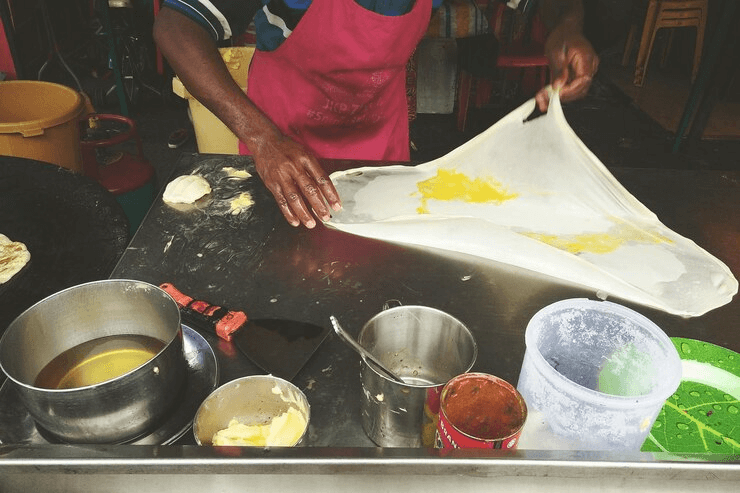
A pastry chef working the dough using his hands.
Despite its global success, food fortification remains a concept that is widely misunderstood and underutilised. This article dispels four common myths and clarifies the truth behind this life-saving public health strategy.
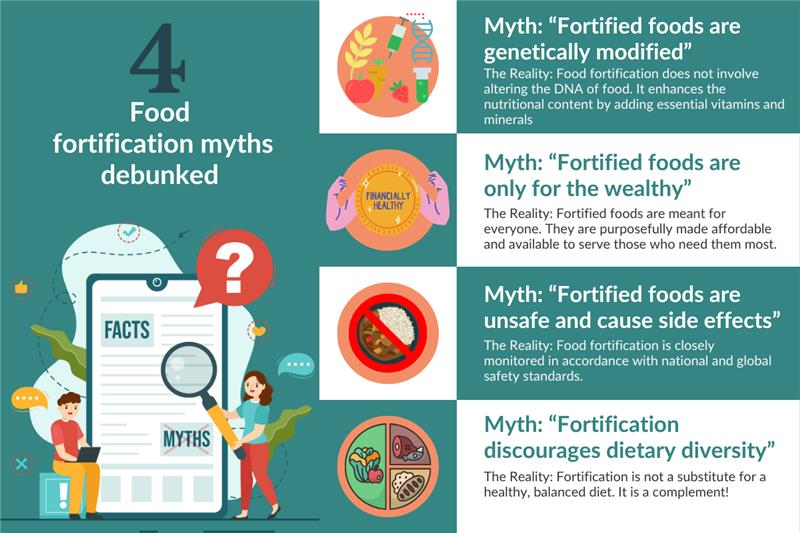
Myth 1: Fortified foods are genetically modified
The Reality:
Food fortification does not involve altering the DNA of food. Instead, it enhances the nutritional content by adding essential vitamins and minerals — such as iodine, iron, and Vitamin A — to everyday staples like salt, flour, and cooking oil.
For example, iodisation of salt — one of the most successful public health interventions globally — helps prevent iodine deficiency disorders, such as goitre, and developmental delays in children. This process involves spraying a small amount of iodine solution onto salt, not changing its DNA.
Truth in the Myth:
While both fortification and food technology aim to improve health, they are distinct processes. Fortified foods retain their natural form, are safe, and are regulated by public health authorities.
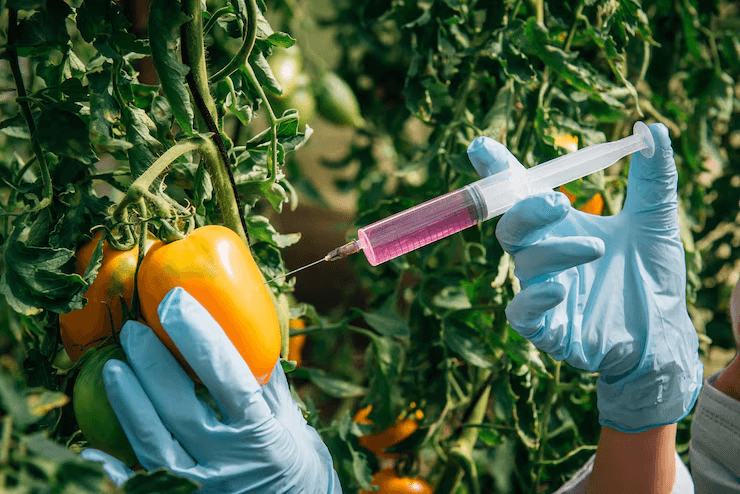
A plant health practitioner punctures a ripe tomato using a syringe.
Food fortification adds nutrients to everyday staples like salt, flour and oil, not chemicals or GMOs
Myth 2: Fortified foods are only for the wealthy
The Reality:
Contrary to this belief, fortified foods are meant for everyone; they are specifically designed to reach vulnerable and low-income populations. Fortification is built into staple foods that are already part of the daily diet, such as maize flour, wheat flour, oil, sugar, and milk. This enables wide-reaching public health benefits without requiring people to alter their eating habits.
In West Africa and Bangladesh, for instance, Vitamin A-fortified cooking oil is consumed by the majority of households — including low-income families in both rural and urban settings — ensuring the population, particularly children and pregnant women, gets the nutrients they need without any added cost.
Truth in the Myth:
Fortified foods are more accessible than commonly perceived. They are purposefully made affordable and available to serve those who need them most.
Myth 3: Fortified foods are unsafe and cause side effects
The Reality:
Food fortification is closely monitored in accordance with national and global safety standards. Nutrient levels added to foods are based on scientific guidelines and remain within safe, recommended daily limits.
In Kenya, for example, iron-fortified flour has been widely distributed to combat anaemia, particularly benefiting children and women, with no reported adverse effects.
Truth in the Myth:
Strict regulations and ongoing quality checks ensure that fortified foods are safe for consumption and pose no health risks when incorporated into a regular diet.

An assortment of micronutrient-rich foods: rice, beans, tomatoes and green leafy vegetables.
Myth 4: Fortification discourages dietary diversity
The Reality:
Fortification is not a substitute for a healthy, balanced diet — it is a complement. Its goal is to ensure that people get the minimum required nutrients, especially in settings where fresh produce and protein-rich foods may be inaccessible or unaffordable.
Fortified foods, such as Vitamin A-enriched oil, support better nutrition but should be consumed alongside fruits, vegetables, grains, and proteins to maintain holistic health. This approach aligns with India’s integrated nutrition strategy, which combines rice fortification with behaviour change campaigns that encourage dietary diversity.
Truth in the Myth:
Far from discouraging diversity, fortification supports nutritional resilience, particularly when other food sources are inconsistent or unavailable.
Why This Matters
Globally, more than 2 billion people suffer from micronutrient deficiencies. In Africa, Vitamin A, iron, and iodine deficiencies are widespread, contributing to high rates of child mortality, poor school performance, reduced productivity, and maternal health risks.
Food fortification is one of the few interventions that is:
- Proven: Backed by decades of scientific research and success stories.
- Affordable: Costs as little as a few cents per person per year.
- Scalable: Can reach millions through existing food systems.
- Non-disruptive: Requires no changes in consumer behaviour.
Fortification is the quiet revolution in global nutrition.
In Summary
References