What if the key to better nutrition isn’t in expensive superfoods but in the overlooked plants growing at our feet?
Raan Bhaaji, the wild monsoon crisp green leaves, had taken over the streets of Neral, a small town in Maharashtra’s Raigad district in India. Old women, draped in functionally tied Nauvari sarees, sat by the roadside, selling Chai Cha Mohor, Karande, and an array of wild vegetables. Before I could fully absorb the riot of colours, textures, and conversations around me, the sky split open. The rains came down in thick sheets, drenching everything in seconds.
We were on our way to Chinchwadi — Chinch meaning tamarind, Wadi meaning habitat — a village where the Adivasi Thakar community has lived for generations. By the time we reached Vanvadi, I felt I had to take some time and adjust to my surroundings. But within minutes, we were on the move again, walking through the marshy land, searching for edible flowers for an infused tea and if luck allowed, a few foraged snacks for the evening. "But don’t tire yourself," my host said. "Tonight, we are going to see fireflies."
Midnight arrived, and we ventured into the deep jungle. The darkness was thick, alive with the sounds of unseen creatures. I was afraid — of the wilderness, of the unfamiliar men walking beside me, of the unknown. Sensing my unease, Deepak asked, “Are you comfortable?”
“Yeah,” I replied in affirmative, conveying my comfort to my host, but my voice betrayed me.
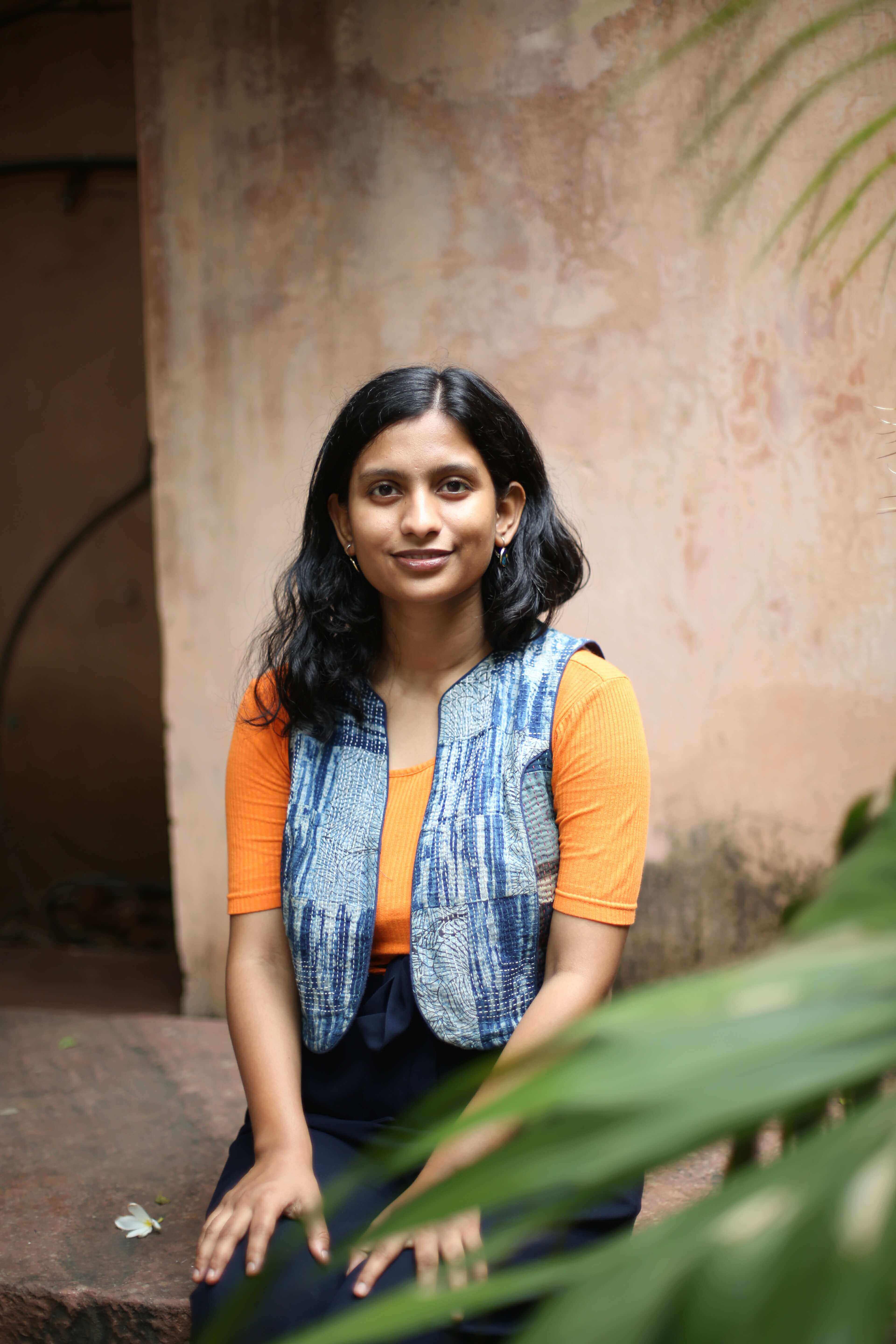
Deepak Malani worked at Vanvadi and was my host for the trip. I was here as a food researcher, tracing how geography shapes people's nutritional needs and how indigenous foraged ingredients sustain communities in ways modern food systems often overlook. Through The Kindness Meal, I document forgotten foods and ancestral recipes, reviving traditions before they disappear and this journey into Chinchwadi was a step toward understanding how native diets, biodiversity, and health are interwoven, revealing wisdom long buried beneath the weight of industrial convenience.
He looked at me and asked again, “What is this fear? Talk about it.”
I hesitated before admitting, “I’m afraid of wild animals attacking us.”
Deepak smiled. “Don’t think,” he said. “Just let your body be. Trust nature.”
Days passed, and slowly, I learned. I spent time with the Adivasis, foraging with children, wandering aimlessly, finding joy in the small things. Some plants had textures unlike anything I’d felt before. Some leaves left deep pigments that we used as lip colour. Others, when rubbed together, created natural soap bubbles. There was awe and play everywhere in the jungle, in the very essence and abundance of how much the flora and fauna around me had to offer, whilst in harmony with us as humans.
This experience helped me shed labels — of fear, of the unfamiliar, of food itself. I began questioning: What is edible, and what isn’t? What is food, and what is merely a product of industrial convenience?
The answers were all around me, waiting to be noticed.
I grew up in Rajasthan a western state of India, a land shaped by scarcity, where the Thar Desert dictates many aspects of life, including what we eat. Our cuisine is possibly one of the most resourceful and resilient in the world, forged in an environment with limited agricultural resources. Foraging wasn’t just a survival skill; it was a way of life here. Our heirloom dishes, recipes that are passed down through generations, were crafted with nature’s hidden abundance — Kumatiya (seeds from the pods of Acacia senegal), Thor (flowers of a desert succulent), Ker and Ber (wild berries), Sangri (wild beans). These ingredients weren’t cultivated in farms; they grew wild, waiting to be found. And for generations, we knew how to harvest them, how to cook them, what to pair them with, and the nutritional and medicinal benefits each carried.
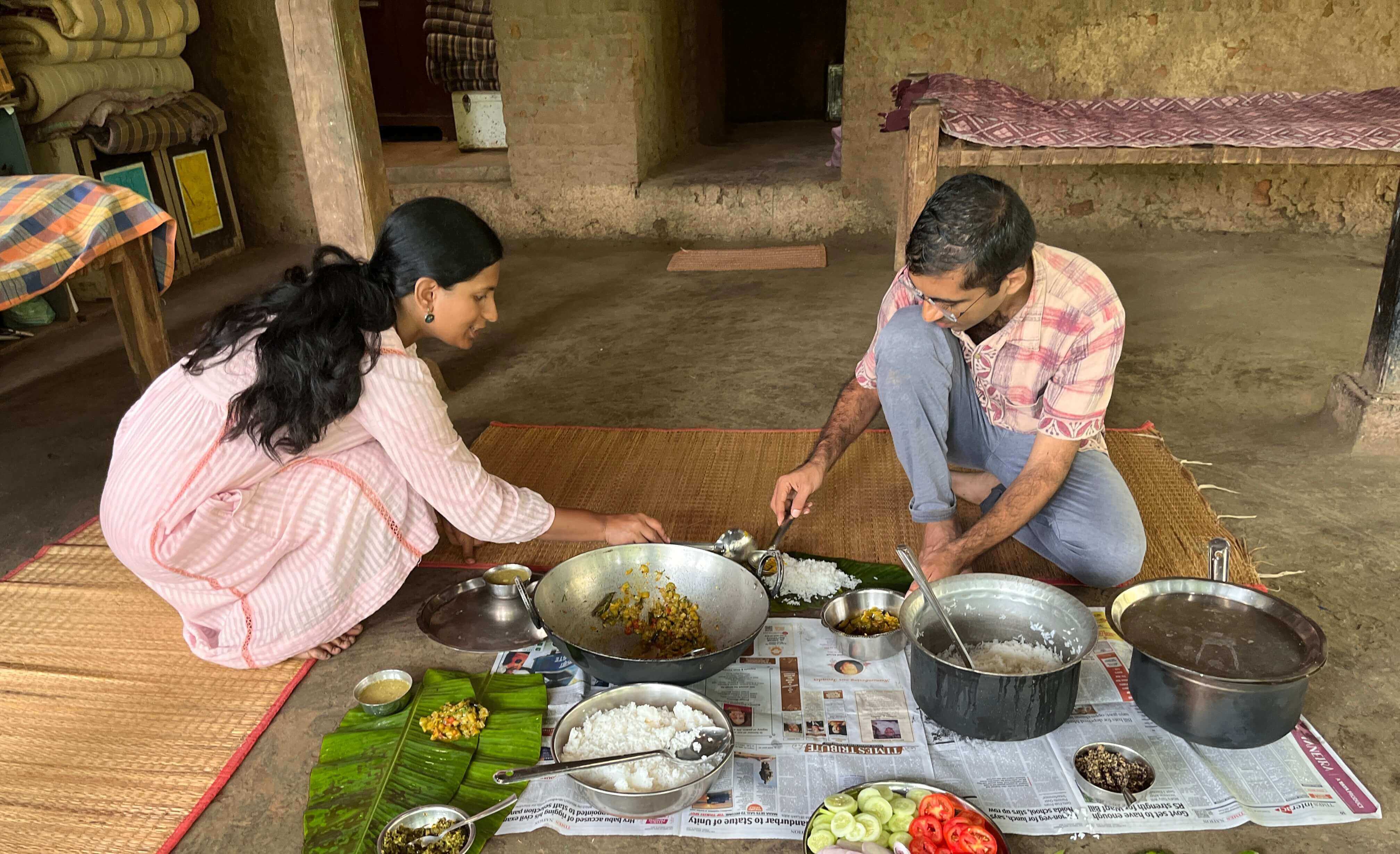
Take Sangri, for instance. A dried legume from Rajasthan’s state tree Khejri, it is a rich source of protein, fibre, and minerals like iron, calcium, and potassium. It also contains saponins, which helps boost the immune system and regulate cholesterol levels. Traditional wisdom also speaks of its medicinal properties, believing it to be a cooling anthelmintic. Ker is a good source of protein, vitamin C, and fibre, with potential digestive and immune-boosting benefits.
Now, when I go for a run in Central Park in Jaipur, the capital city of Rajasthan, I find myself stopping at random trees —Chilbil, Paatda — picking their fruit, carrying some home. Every time I do, I ask myself: Why did we forget this abundance of food bursting with good nutrition around us?
The reality is, we can feed millions more people with the food that goes unseen around us. Yet, these nutritional powerhouses remain largely ignored in modern food systems. According to the UN Food and Agriculture Organization (FAO), while there are over 7,000 known edible plant species, more than 75% of the world’s food supply comes from just 12 plants and 5 animal species. This heavy reliance on a handful of staple crops not only limits dietary diversity but also makes our food systems vulnerable to climate change and ecological disruptions.
The researchers are hard at work, trying to unlock and explain the potential of these overlooked foods — plants often labeled as forgotten, underutilised, or alternative, as they have been displaced by increasingly uniform diets dominated oftentimes by processed ingredients. This shift is critical if food systems are indeed to ‘transform’ and we are to be more resilient species, while working in harmony with our biodiversity.
Take foraged foods like Kumatiya (Prosopis cineraria), Ker (Capparis decidua), and Ber (Ziziphus mauritiana) from Rajasthan — these are drought-resistant, highly nutritious, and packed with medicinal benefits. Kumatiya seeds are rich in protein and essential fatty acids, Ker berries have powerful antibacterial and antifungal properties, while Ber is a potent source of vitamin C and antioxidants. Similarly, Brahmi (Bacopa monnieri), an ancient medicinal herb used in Ayurveda, has been shown to improve cognitive function and reduce stress. Yet, these nutritional powerhouses remain largely ùnderutilised by our modern food systems.
…
On my last day in Chinchwadi, we were invited to an Adivasi home for dinner, a tribal household. After the meal was over, as Deepak and I walked back, his wife called. There was no network near the house, so he paused. “Why don’t you go ahead? I’ll catch up,” he suggested.
And so, I walked. Alone.
The forest that once felt scary now felt familiar. The rustling of leaves, the humming of birds, the distant gurgle of a water stream — it all felt like home. I reached our stay, content, my heart light.
The caretaker looked at me, surprised. “Did you come alone?”
It was only then that it struck me. Yes, I had. And I wasn’t afraid. I trusted nature.
The Kindness Meal Website: https://thekindnessmeal.com/recipes-stories
The Kindness Meal Instagram: https://www.instagram.com/thekindnessmeal
The Kindness Meal LinkedIn: https://www.linkedin.com/company/the-kindness-meal/
Other links: New SDG indicator on Minimum Dietary Diversity adopted by UN Statistical Commission: https://www.fao.org/newsroom/detail/new-sdg-indicator-on-minimum-dietary-diversity-adopted-by-un-statistical-commission/en